Cart
0
If you have tried every cream, cleanser and face wash going and your breakouts still turn up uninvited, you are not alone, and you are not doing it wrong. Spots are stubborn, and what calms one person’s skin does nothing for the next. That is why more people are giving blue light therapy for acne a go at home.
Blue light therapy focuses on one of the main causes of acne: bacteria on the skin. Instead of using strong chemicals, the treatment uses a specific wavelength of light to reduce the bacteria that contribute to breakouts.
Now that you can get one of these at-home LED light therapy devices and use it on your own sofa, the real question is simple: does blue light therapy really work for acne at home?
Below we walk through how it works, what kind of difference you can realistically expect, and why so many people with spot-prone skin are reaching for an at-home LED device.
What Is Blue Light Therapy for Acne?
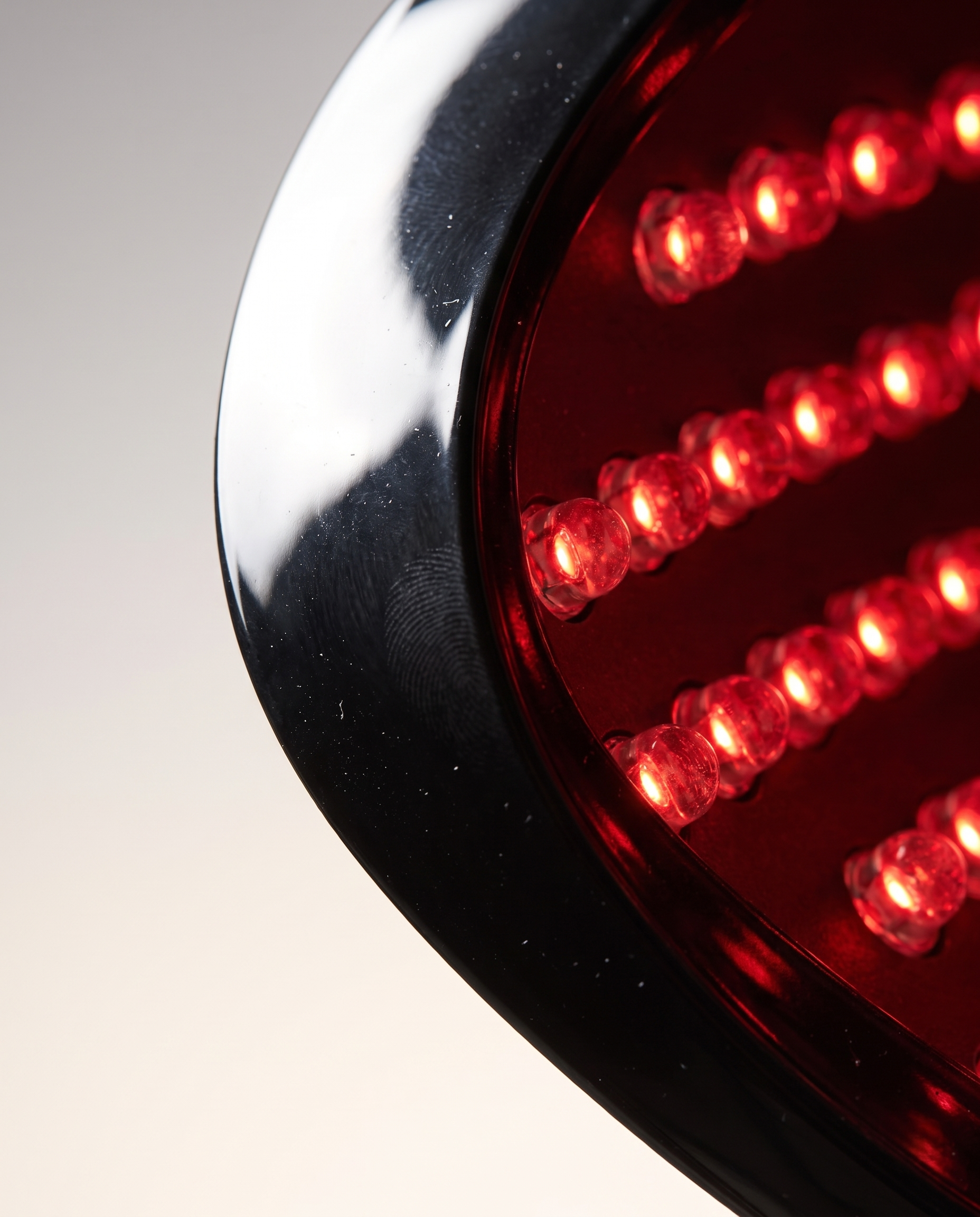
Blue light therapy is a non-invasive skincare treatment that uses a specific wavelength of light, usually between 465–475 nanometres, to target acne-causing bacteria.

The bacteria responsible for many breakouts are called Cutibacterium acnes. These bacteria live inside pores and hair follicles on the skin. When they grow and multiply, they can cause inflammation, redness, and acne breakouts.
Blue light therapy works by exposing the skin to a controlled blue wavelength that interacts with these bacteria. This process helps reduce bacterial activity and supports a clearer complexion.
Unlike many topical acne treatments, blue light therapy does not rely on strong chemicals that may dry or irritate the skin. Instead, it works gently by targeting the bacteria that contribute to acne development.
How Blue Light Therapy Kills Acne Bacteria
To understand how blue light kills acne bacteria, it helps to know what happens inside the pores.
The acne bacteria naturally produce small molecules called porphyrins. When these molecules are exposed to blue light, they react and create a form of oxygen that damages the bacteria.

This reaction helps reduce the number of acne-causing bacteria on the skin. As the bacteria decrease, inflammation and breakouts can also become less frequent.
Because the treatment focuses on bacteria rather than just the symptoms of acne, blue light therapy is often considered a targeted acne treatment.
However, the results are usually gradual. The skin needs repeated exposure to the light for the treatment to have a noticeable effect.
Blue Light Therapy Acne Treatment in Dermatology Clinics
Blue light therapy has been used in dermatology clinics for many years. Dermatologists often recommend it for patients who experience mild to moderate acne and want a non-invasive treatment option.
In professional clinics, the treatment usually involves sitting under a specialized light device for several minutes while the blue wavelength targets the skin.
Many patients choose this treatment because it:
Does not require needles or injections
Is generally painless
Does not involve long recovery times
While clinic treatments can be effective, they usually require multiple appointments to achieve noticeable results. This can become time-consuming and expensive for some people.
Because of this, many people are now turning to at-home blue light therapy devices.
LED Acne Treatment at Home
Advances in LED technology have made it possible to perform LED acne treatment at home. Modern LED masks are designed to deliver the same type of light therapy used in clinics but in a safe and convenient format for personal use.

These masks typically include built-in LEDs that emit specific wavelengths of light directly onto the skin.
Using an at-home blue light therapy device offers several advantages:
- Convenience of home treatments
- Ability to maintain consistent sessions
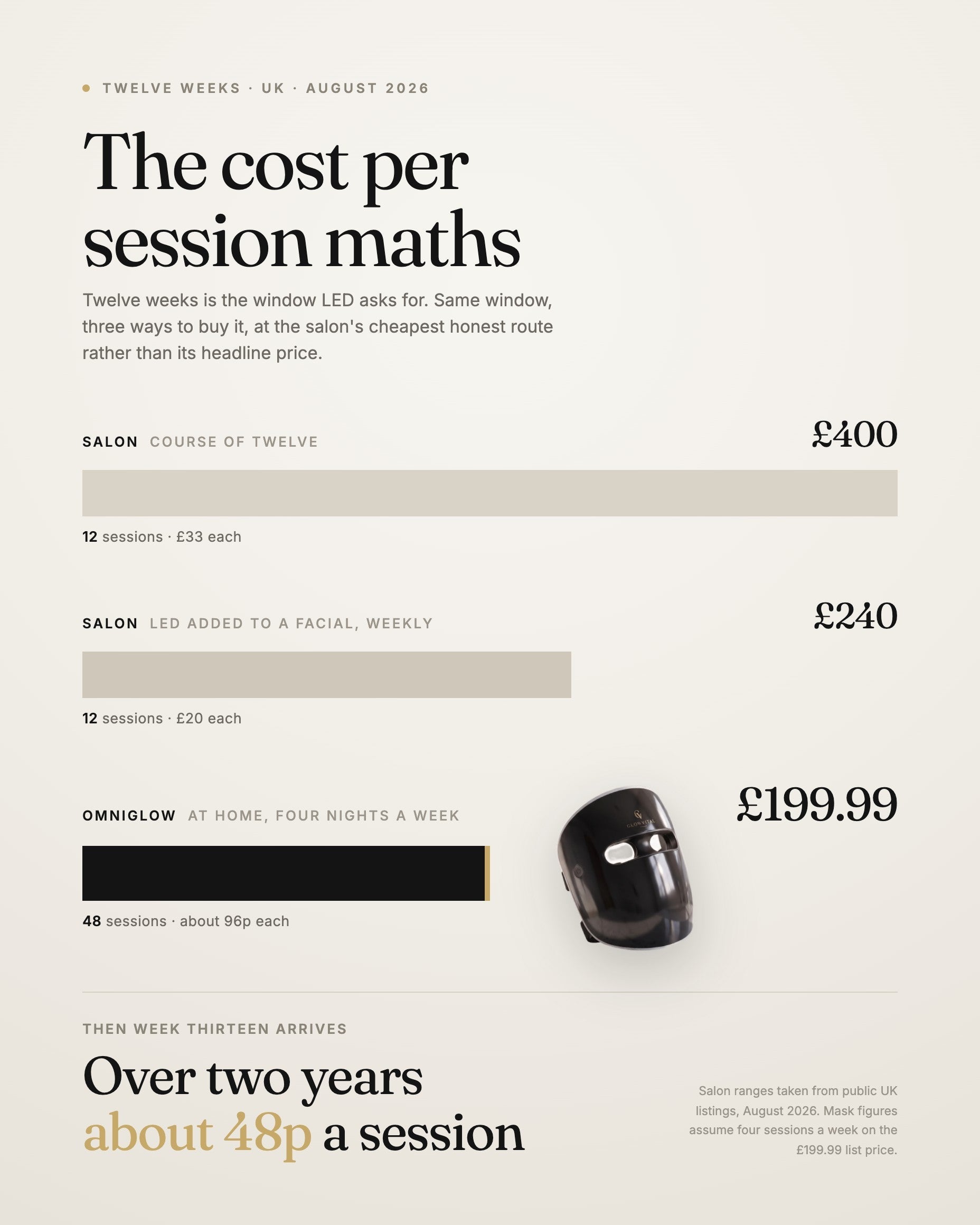
- Lower long-term cost compared to clinic visits
- Easy integration into a skincare routine
Many people find that at-home devices make it easier to stay consistent with treatment, which is important for achieving visible improvements.
Blue Light Therapy Acne Results: What to Expect
One of the most common questions people ask is about blue light therapy acne results.
Like many skincare treatments, blue light therapy does not produce instant changes. Instead, improvements appear gradually as the skin responds to repeated treatments.

Typical timelines may look like this:
First few weeks:
Skin may start to appear slightly calmer with fewer new breakouts.
After 3–4 weeks:
Some users notice reduced redness and fewer inflammatory spots.
After 5–7 weeks:
Breakouts may occur less frequently, and the skin may appear clearer overall.
Results vary depending on skin type, acne severity, and how consistently the treatment is used.
Blue LED Light Therapy for Skin Health
Although blue light therapy is most commonly used for acne, it can also support overall skin health.
By helping reduce bacteria and inflammation, blue LED light therapy may contribute to:
- A calmer complexion
- Less redness associated with breakouts
- Improved skin clarity over time
Many LED devices also combine blue light with red or near-infrared light, allowing the skin to benefit from multiple types of treatment during the same session.
GlowVital Blue Light Therapy Mode
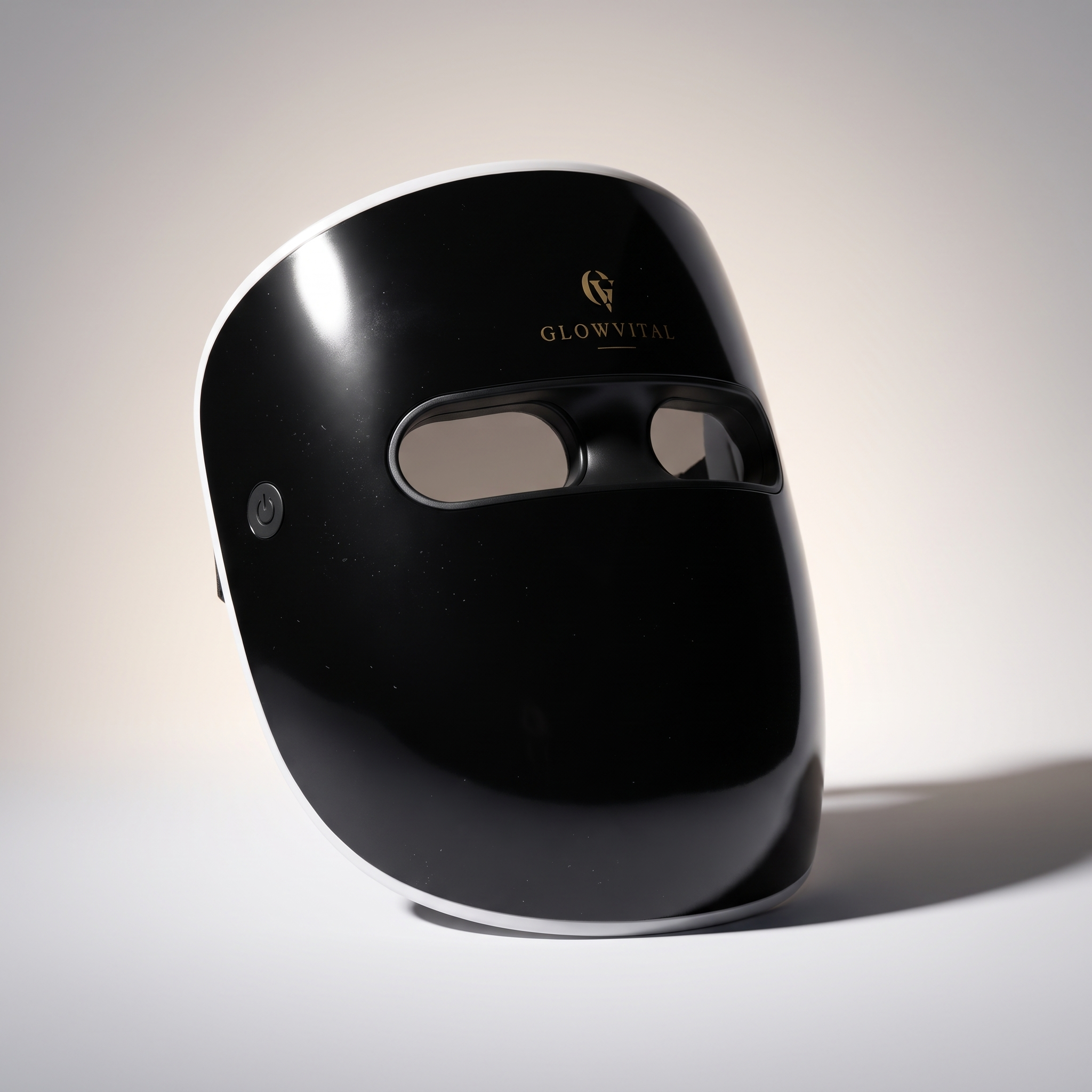
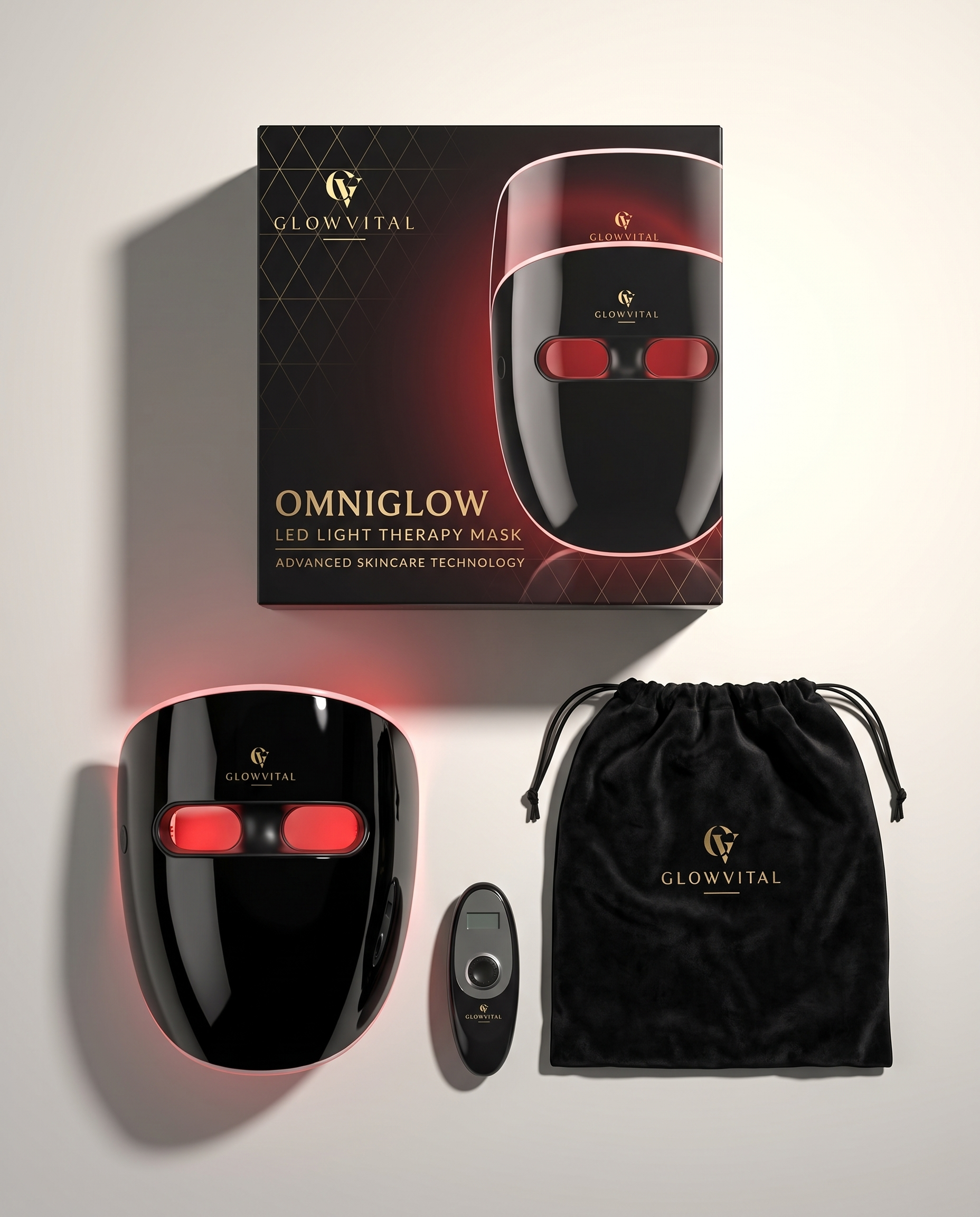
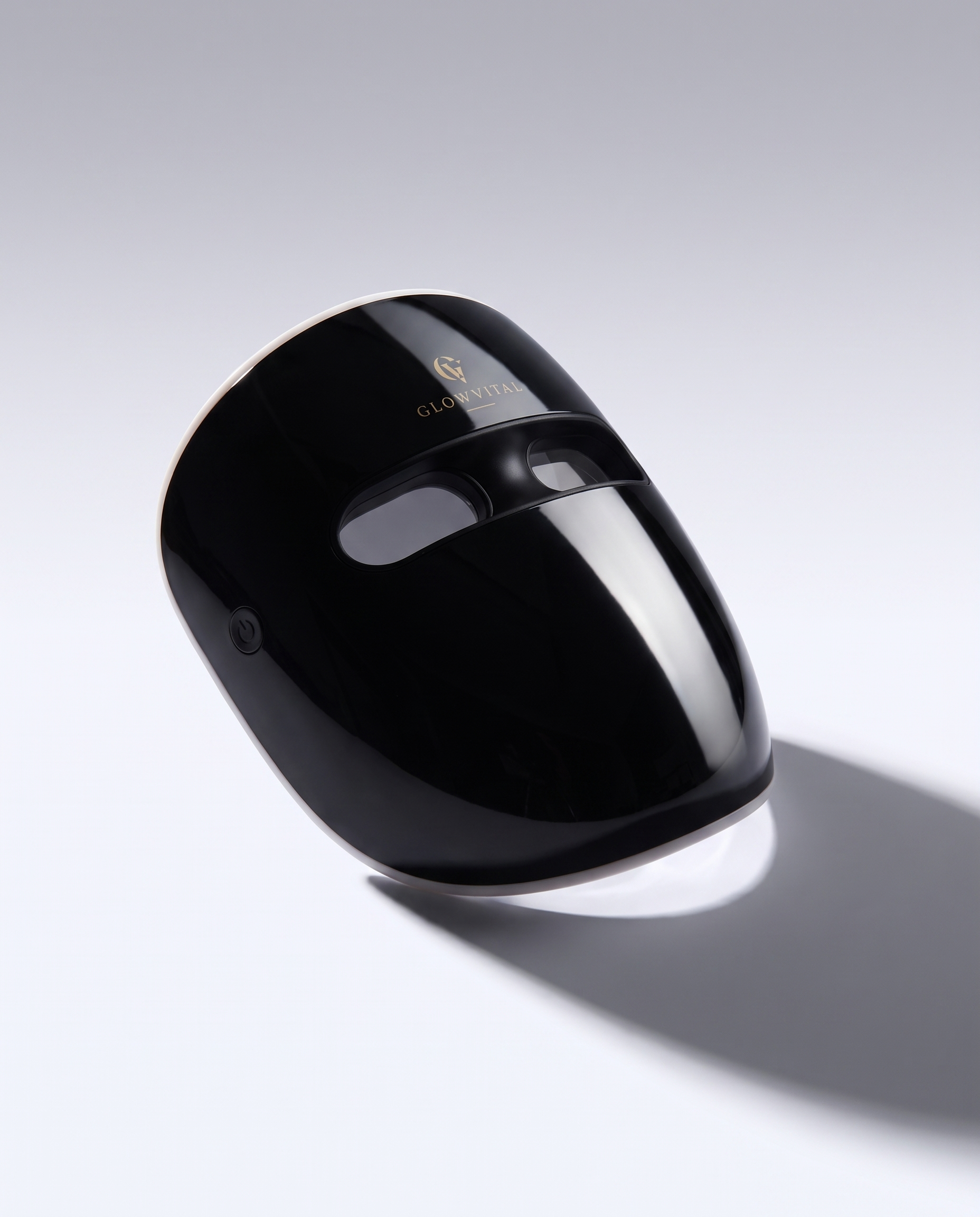
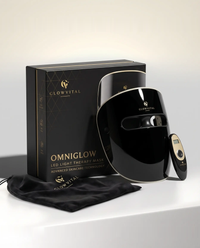
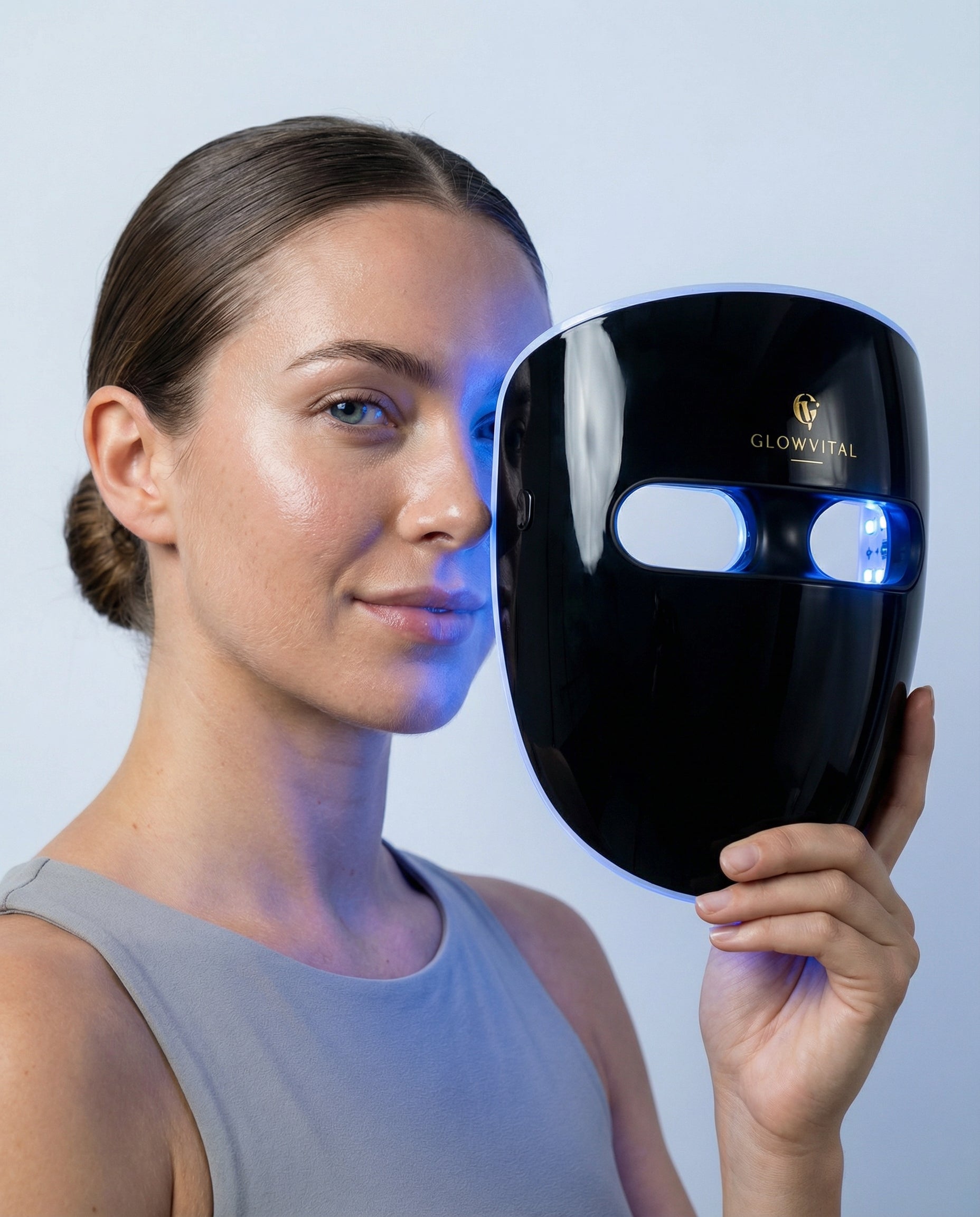
Modern LED devices are designed to make home treatments simple and effective. One example is the GlowVital LED mask, which includes a dedicated blue light therapy mode for acne-prone skin.

The mask is designed to deliver controlled blue light wavelengths across the face while remaining comfortable to wear during short treatment sessions.
Key features often include:
- Multiple light therapy modes
- Even LED coverage across the face
- Lightweight design for comfortable use
- Simple controls for easy operation
Because the device is designed for home use, it allows users to maintain consistent treatments without needing frequent clinic visits.
How to Use an At-Home Blue Light Therapy Device
Using an at-home blue light therapy mask is simple and usually takes only a few minutes.
A typical routine may look like this:
- Cleanse your face to remove makeup, oil, and dirt.
- Place the LED mask comfortably on your face.
- Select the blue light therapy mode.
- Relax during the treatment session, which usually lasts 10–20 minutes.
- After the session, continue with your normal skincare routine.
For best results, treatments are often performed several times per week.
Consistency is important because the skin responds gradually to the therapy over time.
Is Blue Light Therapy Safe for Acne Treatment?
Blue light therapy is generally considered safe when used properly.
Unlike ultraviolet (UV) light, blue LED light does not damage the skin in the same way. Most devices are designed with safe energy levels suitable for regular use.
However, it is still important to:
- Follow the manufacturer’s instructions
- Avoid overusing the device
- Consult a dermatologist if you have sensitive skin conditions
When used correctly, blue light therapy can be a gentle option for supporting acne management.
Final Thoughts
So, does blue light therapy for acne work at home?
For many people, the answer is yes. By targeting acne-causing bacteria and supporting the skin’s natural balance, blue light therapy can help reduce breakouts over time.
With modern at-home LED light therapy devices, maintaining consistent treatments has become easier than ever. Devices such as the GlowVital LED mask allow users to include blue light therapy as part of their regular skincare routine.
While it is not an overnight solution, regular use can help support clearer, calmer, and healthier-looking skin over time.
Q
Can blue light therapy be used with other acne treatments?
A
Yes. You can usually use blue light therapy with other acne treatments. People often combine it with gentle cleansers, oil-free moisturizers, and dermatologist-recommended products. Always use it on clean skin so the light reaches your pores. If you use strong medicines like prescription retinoids or antibiotics, ask your dermatologist first.
Q
How often should you use blue light therapy at home?
A
Most at-home LED masks suggest 3–5 times per week. Each session lasts 10–20 minutes. Using it regularly helps reduce acne-causing bacteria. Many people see results in a few weeks.
Q
Can blue light therapy prevent future acne breakouts?
A
Blue light therapy reduces acne bacteria, which can lower breakouts. But acne also depends on hormones, stress, diet, and skincare. It cannot stop acne completely. It works best when combined with a regular skincare routine.
Q
Is blue light therapy safe for sensitive skin?
A
Yes. It is gentle and safe for most skin types, including sensitive skin. It usually does not cause dryness or peeling. Some may feel slight warmth or redness, which goes away quickly. Start with shorter sessions if your skin is very sensitive.
Q
How long should you continue using blue light therapy?
A
Use it regularly for weeks or months for best results. Many people continue using it after their acne clears to keep their skin clear. Doing maintenance sessions a few times per week helps prevent future breakouts. Consistency is important.