Cart
0
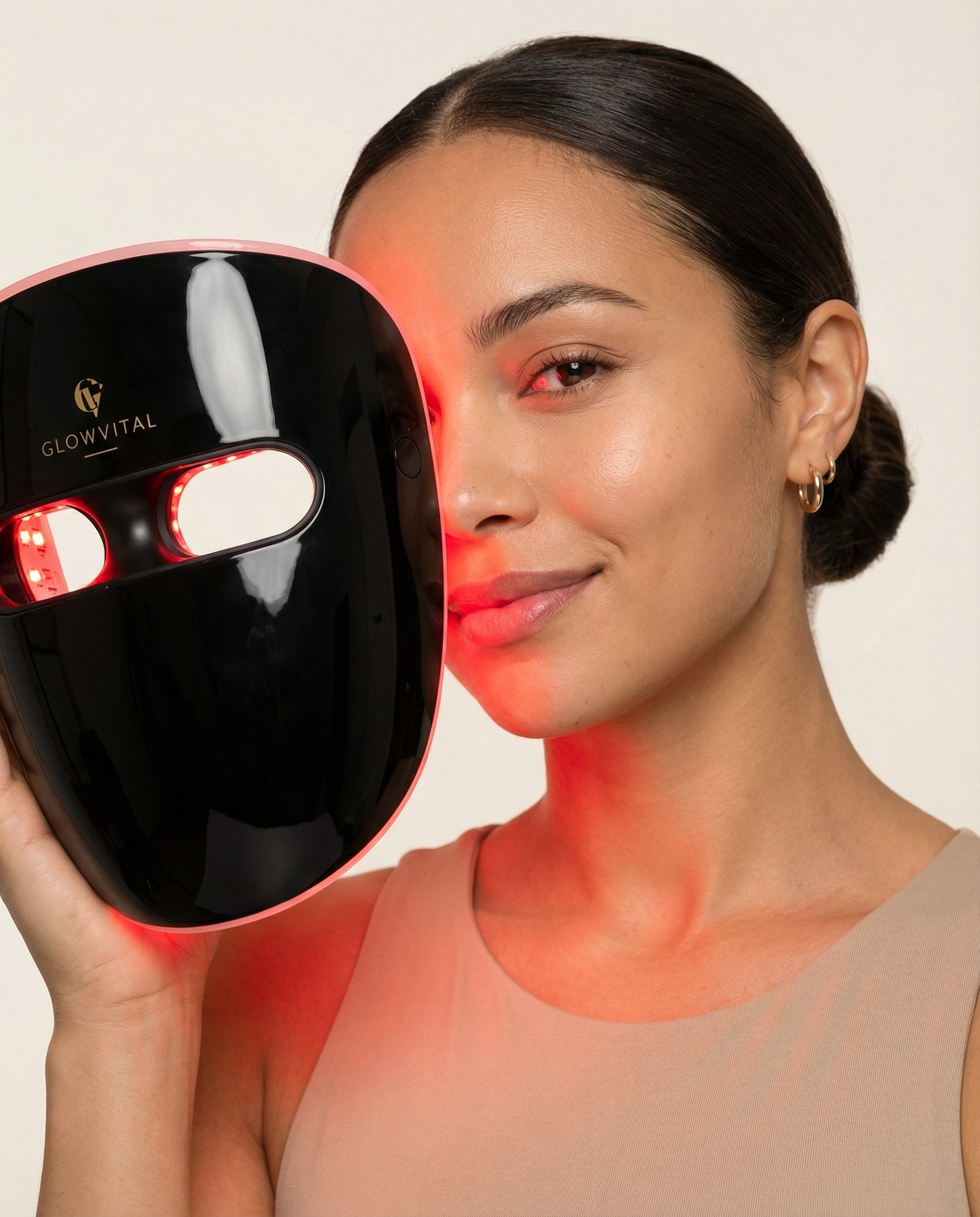
You have probably noticed the red-glow masks turning up everywhere, from your favourite celebrity’s bathroom shelf to your own social feed. They used to live only in clinics and spas, and now one can sit on your own dressing table. So it is fair to ask the obvious question first: does LED light therapy actually work?
Below we break down how LED light therapy works, what red, blue and near-infrared light each do for your skin, and how an at-home mask makes it easy to keep up.
What Is LED Light Therapy for Skin?
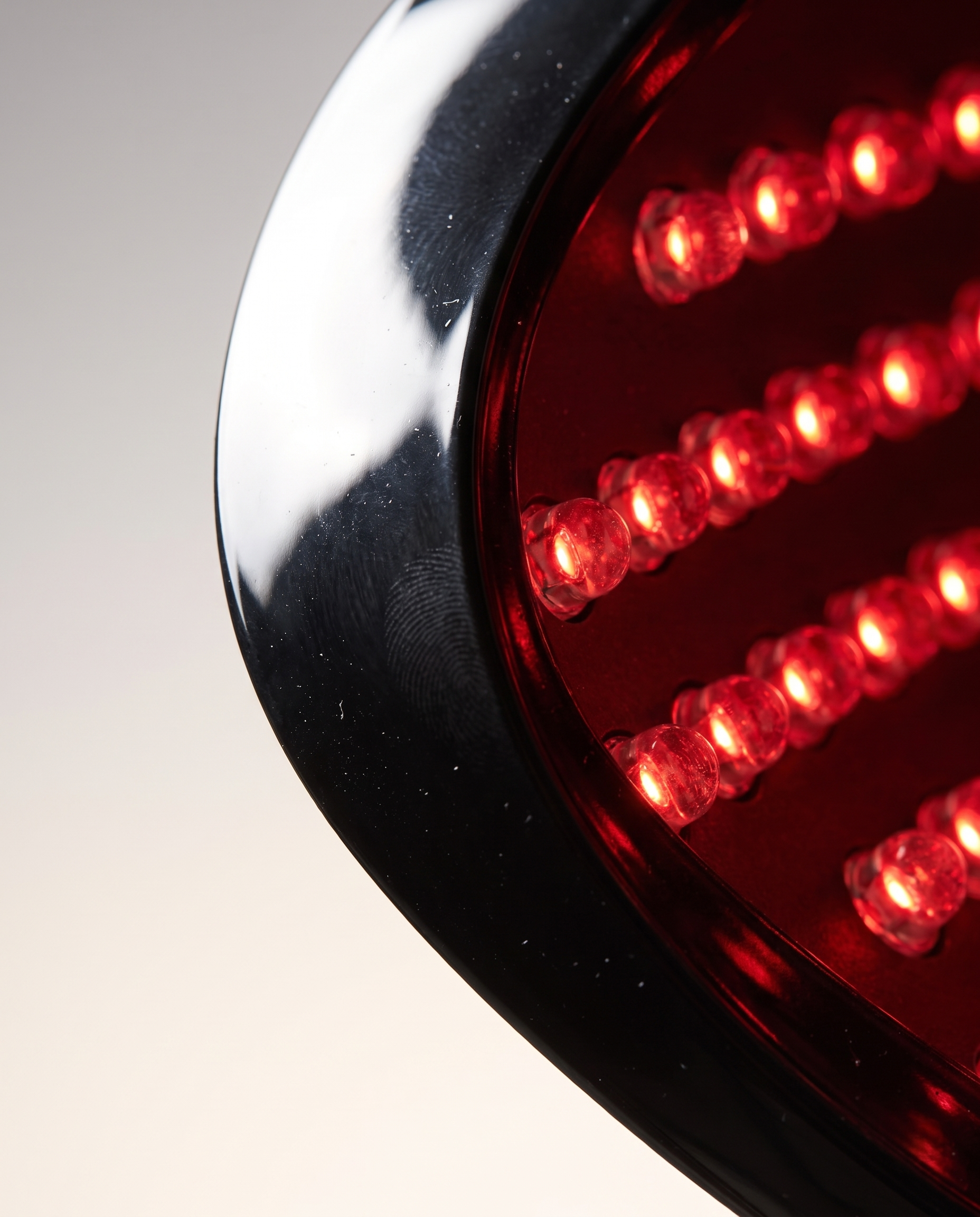
LED light therapy for skin is a non-invasive treatment that uses light-emitting diodes (LEDs) to send specific wavelengths of light into the skin. These wavelengths reach different skin layers and help trigger natural processes in the cells.

Unlike ultraviolet light, which can harm the hi skin, LED therapy uses safe and controlled light designed to support the skin’s natural repair and renewal.
Dermatologists began studying this technology many years ago after discovering that certain wavelengths of light could stimulate cellular activity. This research later led to LED treatments used to support skin health, reduce acne, and improve the appearance of ageing skin.
Today, LED therapy is widely used for:
- Supporting collagen production
- Improving the appearance of fine lines and wrinkles
- Reducing acne-causing bacteria
- Supporting overall skin repair and circulation
The effectiveness of LED therapy depends largely on consistent exposure to the correct wavelengths, which is why modern devices often combine multiple types of light within a single treatment system.
How LED Light Therapy Works
LED light therapy works by sending specific wavelengths of light into the skin. These wavelengths interact with parts of the cells called mitochondria, which help produce energy for the cell.
When the cells absorb this light, they produce more energy. This helps support natural processes such as skin repair, cell renewal, and collagen production.

Different wavelengths reach different layers of the skin, which is why many LED devices include multiple light settings for different skin concerns. The most common types used in LED skincare technology are:
- Red light therapy for skin
- Blue light therapy for acne
- Near infrared light therapy for deeper skin support
Each wavelength works in a slightly different way to support skin health.
Red Light Therapy for Skin
Red light therapy for skin is one of the most widely researched forms of LED treatment. It typically operates within the 620–640nm wavelength range, which allows it to penetrate the upper layers of the skin.
This wavelength is commonly used to support collagen production, a protein that helps maintain skin structure and elasticity.

As we age, natural collagen production gradually slows down. This can lead to visible signs of ageing such as fine lines, wrinkles, and loss of firmness. Red light therapy works by stimulating the skin’s natural processes, encouraging cells to produce more collagen over time.
Some of the most commonly reported benefits of red light therapy include:
- Improved skin texture
- Reduced appearance of fine lines
- Increased skin firmness
- Support for skin elasticity
It’s important to note that red light therapy does not deliver instant results. Instead, improvements develop gradually as the skin responds to repeated treatments.
Over time, consistent sessions may lead to smoother-looking skin and improved overall skin tone.
Blue Light Therapy Benefits for Acne
While red light therapy focuses on skin rejuvenation, blue light therapy benefits are most commonly associated with acne treatment.
Blue light therapy typically operates within the 465–475nm wavelength range. This wavelength specifically targets Cutibacterium acnes, the bacteria responsible for many inflammatory breakouts.

When exposed to blue light, these bacteria produce molecules called porphyrins. The blue light activates these molecules, which then generate oxygen that helps destroy the bacteria.
This process helps reduce bacterial activity on the skin and can support clearer skin over time.
Some key benefits of blue light therapy include:
- Reduction of acne-causing bacteria
- Support for clearer skin
- Reduced frequency of breakouts
- A gentler alternative to harsh acne treatments
Because blue light targets bacteria rather than simply treating the symptoms of acne, it addresses one of the root causes of breakouts.
However, like most skincare treatments, consistency plays an important role in achieving visible results.
Near Infrared Light Therapy for Skin
Near infrared light therapy for skin penetrates deeper into the skin layers than red or blue light.
This wavelength is commonly used to support circulation, cellular repair, and deeper skin recovery. Because it reaches deeper tissues, near infrared light is often combined with other wavelengths in advanced LED devices.

While near infrared light works beneath the surface, its benefits can still influence visible skin health. It may help support:
- Skin repair processes
- Circulation in deeper skin layers
- Overall skin resilience
When combined with red and blue light therapy, near infrared wavelengths create a more comprehensive LED treatment that supports both surface-level concerns and deeper skin functions.
LED Light Therapy Before and After: What Results Can You Expect?
One of the most common questions people ask about LED light therapy is how quickly results appear.
LED light therapy before and after results vary depending on the individual, the specific skin concern being treated, and how consistently treatments are performed.
For acne-focused treatments using blue light therapy, some users begin noticing improvements in breakouts within two to five weeks of consistent sessions.

For concerns related to skin texture, elasticity, and fine lines, results from red light therapy typically develop more gradually. Many people begin seeing visible improvements after four to seven weeks of regular use.

The most important factor influencing results is consistency. Because LED therapy works by supporting natural cellular processes, the skin needs time to respond and adapt to repeated treatments.
Short sessions performed several times per week often produce better results than occasional treatments.
LED Light Therapy Results Timeline
Although every person’s skin is different, the LED light therapy results timeline often follows a general pattern.

Weeks 1–2:
Skin may begin adjusting to regular treatments. Some people notice subtle improvements in overall skin clarity or calmness.
Weeks 3–4:
Breakouts may begin appearing less frequently as blue light therapy helps reduce acne-causing bacteria.
Weeks 5–6:
Red light therapy may begin supporting visible improvements in skin texture and smoothness.
After 7 weeks:
With continued use, many users report clearer, more balanced skin and gradual improvements in the appearance of fine lines.
These improvements occur gradually because LED therapy works with the skin’s natural regeneration cycle rather than forcing rapid changes.
Why At-Home LED Light Therapy Masks Are Becoming Popular
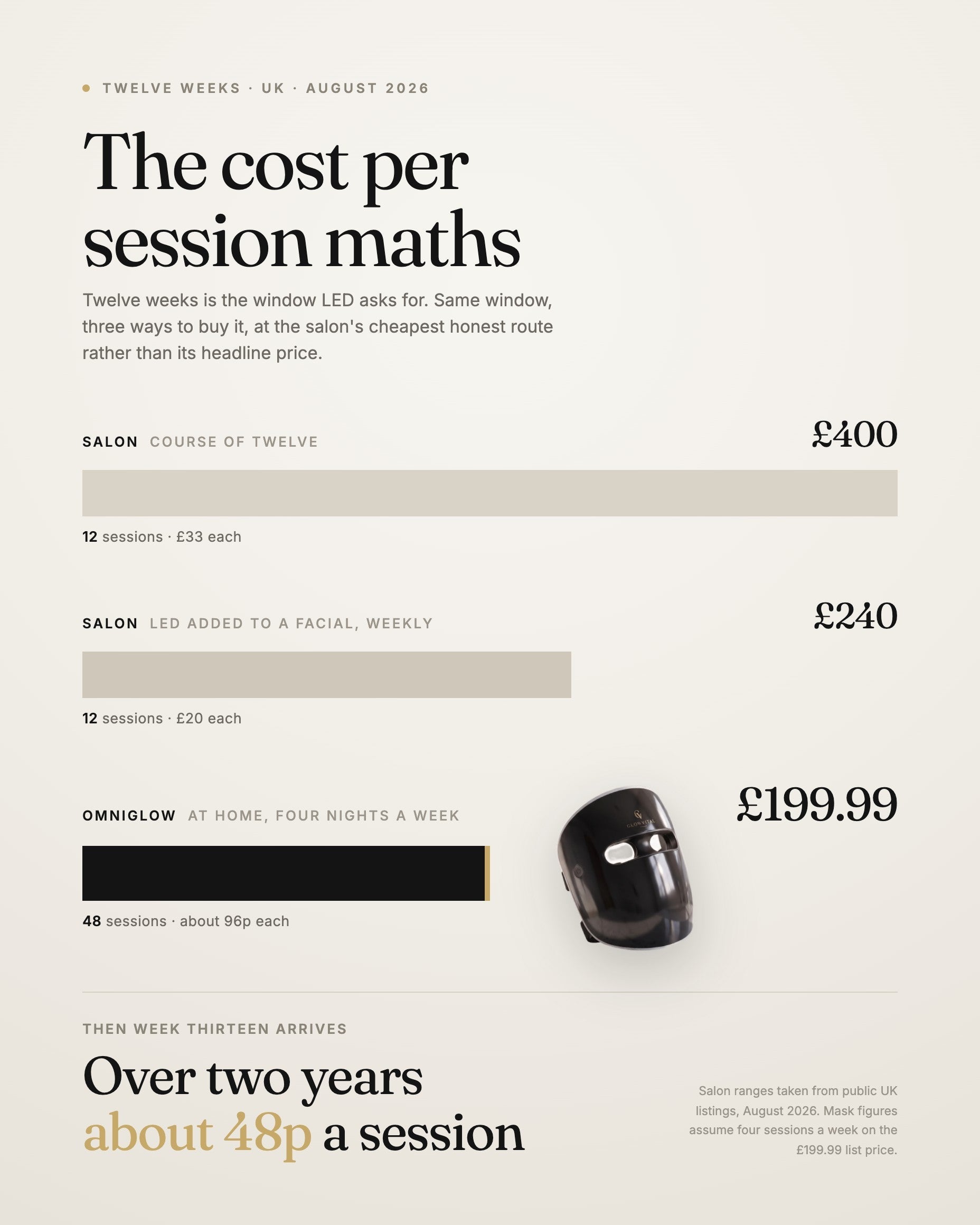
For many years, LED treatments were mainly performed in dermatology clinics or professional skincare centres. While effective, clinic treatments can require repeated appointments and ongoing costs.
The development of at-home LED light therapy masks has made this technology much more accessible.

Modern devices allow users to perform short treatment sessions from home, making it easier to maintain the consistency required for visible results.
Some advantages of at-home LED devices include:
- Convenience and flexibility
- Consistent treatment schedules
- Reduced need for clinic visits
- Long-term skincare investment
Instead of relying on occasional professional treatments, at-home masks allow users to integrate LED therapy into their regular skincare routine.
Choosing a High-Quality LED Skincare Device
Not all LED devices are created equal. When evaluating LED skincare technology, several factors determine how effective a device may be.

Important considerations include:
-
Wavelength accuracy
The device should deliver precise wavelengths proven to interact with the skin effectively.
-
LED coverage
A higher number of LEDs can provide more even light distribution across the face.
-
Comfort and design
A comfortable mask design makes it easier to maintain regular treatments.
-
Treatment modes
Devices that combine multiple wavelengths can address different skin concerns in a single system.
These factors help separate high-quality devices from lower-quality alternatives that may not deliver consistent results.
The Role of the GlowVital LED Mask in At-Home LED Skincare
As LED skincare technology continues to evolve, many brands are developing devices designed specifically for consistent home use.
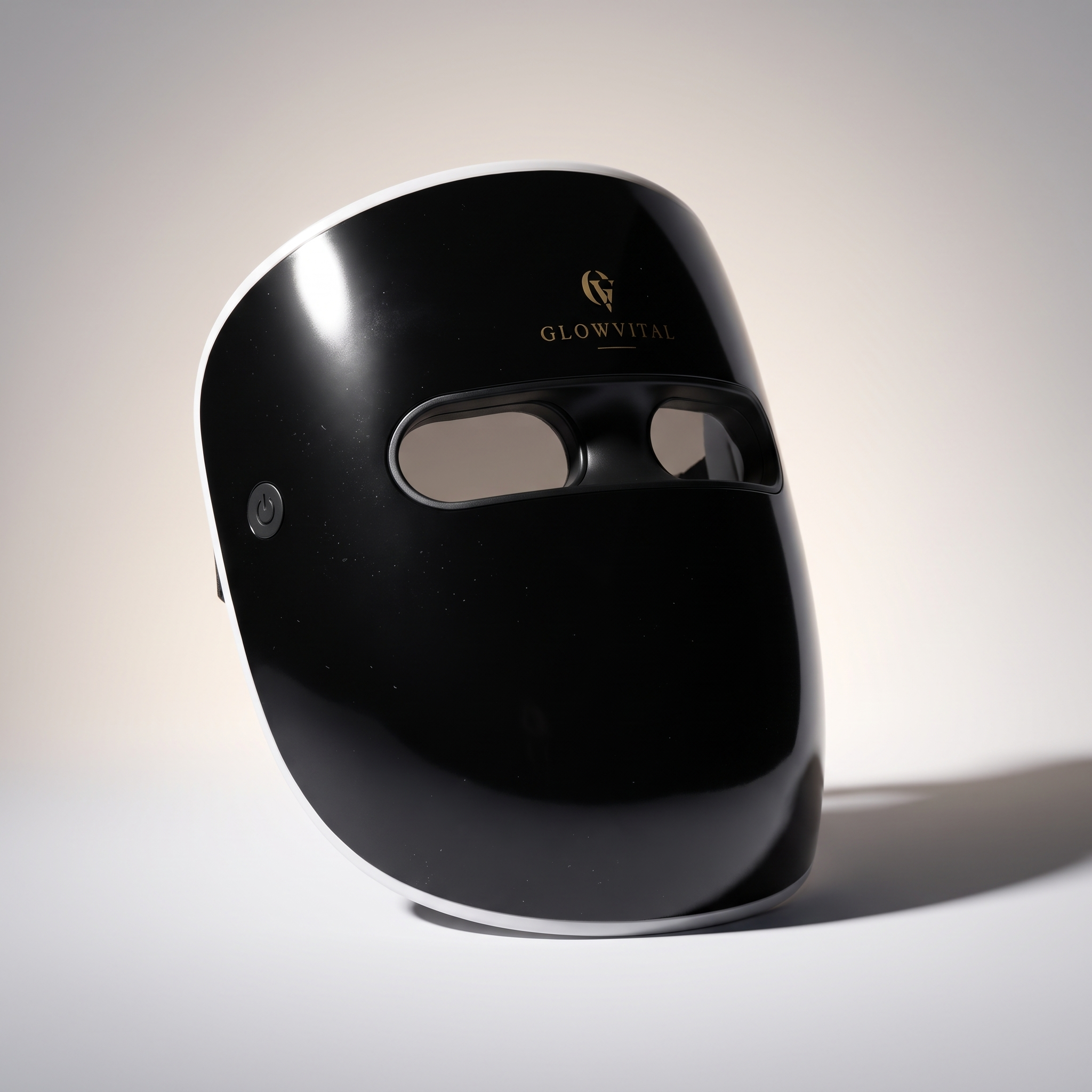
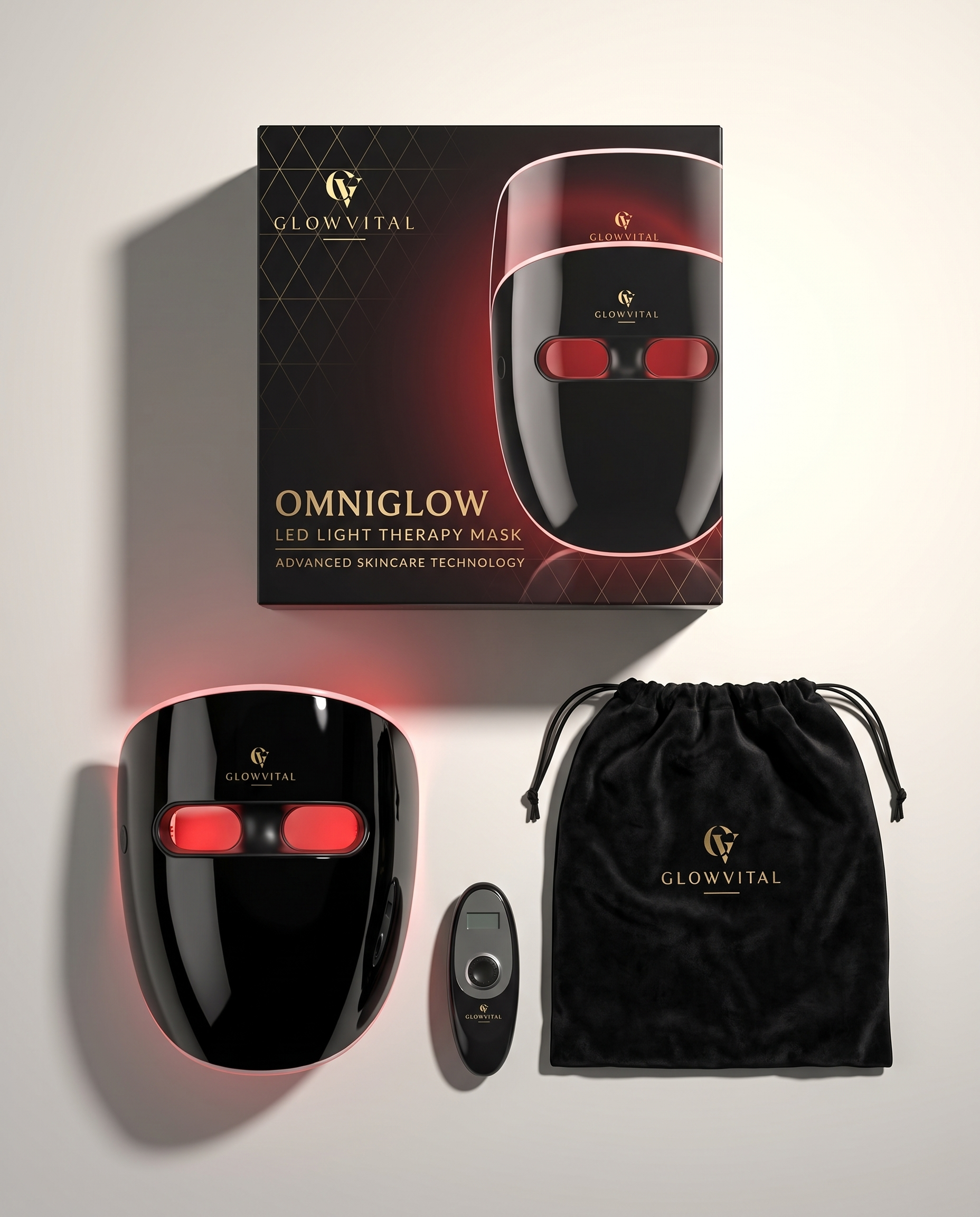
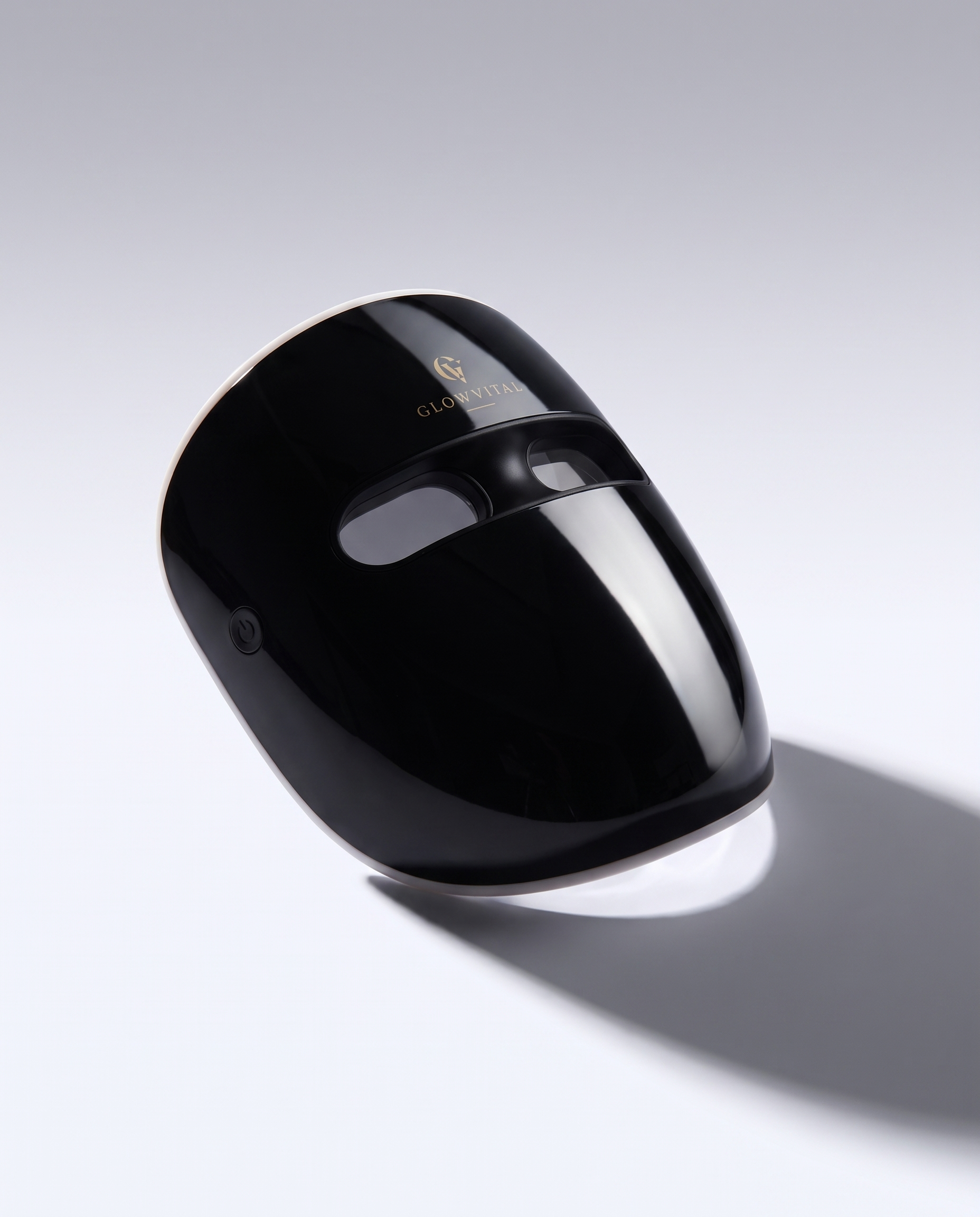
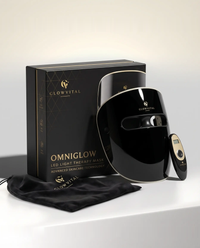
One example is the GlowVital LED mask, which combines multiple clinically studied wavelengths within a single at-home treatment system.

The device is designed to deliver:
- Red light therapy for skin rejuvenation
- Blue light therapy benefits for acne-prone skin
- Near infrared light therapy for deeper skin support
With 120 medical-grade LEDs, the mask provides broad light coverage across the face, helping ensure consistent exposure during treatment sessions.
The lightweight design and wireless control system also make it easier to maintain regular treatments without disrupting daily routines.
Rather than replacing professional skincare entirely, devices like the GlowVital LED mask allow users to support their skin consistently between clinic visits or as part of a long-term skincare routine.
Is LED Light Therapy Worth It?
LED light therapy has gained popularity because it offers a non-invasive, technology-driven approach to skincare.
Instead of relying solely on topical products, LED treatments support the skin’s natural biological processes through controlled light exposure.
When used consistently, LED therapy can support improvements in:
- Acne and breakout frequency
- Skin texture and tone
- Appearance of fine lines
- Overall skin clarity
However, it’s important to understand that LED therapy works gradually. Like many effective skincare approaches, it requires patience and regular use.
For people looking for a long-term skincare strategy that supports the skin naturally, LED therapy can become a valuable addition to their routine.