Cart
0
Written by the GlowVital team · Last reviewed 13 August 2026
The short answer
LED light therapy is non invasive and contains no UV, which is the key difference between it and a sunbed. Used as instructed, a home LED mask is considered safe for most people, with side effects uncommon and mild where they occur. Keep your eyes closed during sessions. Ask your GP first if you are pregnant, take photosensitising medication, have a diagnosed skin condition, or have a history of light triggered migraine or seizures.
Safety is the question people ask last and worry about first. It is also the area where the internet is least useful, because LED light therapy gets lumped in with sunbeds, lasers and whatever else emits light. Those are different technologies with different risk profiles, and conflating them helps nobody.
The most important point: this is not UV
The single most common misunderstanding in this category is that LED light therapy is a gentler sunbed. It is not related to a sunbed at all.
Sunbeds emit ultraviolet radiation. UV is what damages skin cells, drives premature ageing and raises skin cancer risk, and it is why sunbed use carries genuine health warnings.
LED light therapy for skin uses visible light, in the red and blue bands, and near infrared light which sits just beyond what the eye can see. There is no UV component. The light is not ionising, it does not burn, and it does not tan. It is closer in nature to sitting under a bright coloured lamp than to any form of radiation treatment.
That is also why there is no downtime. Nothing is being removed, abraded or injured, so there is nothing to recover from.
The eye question, answered properly
This is the concern worth taking seriously, and the one most often waved away.

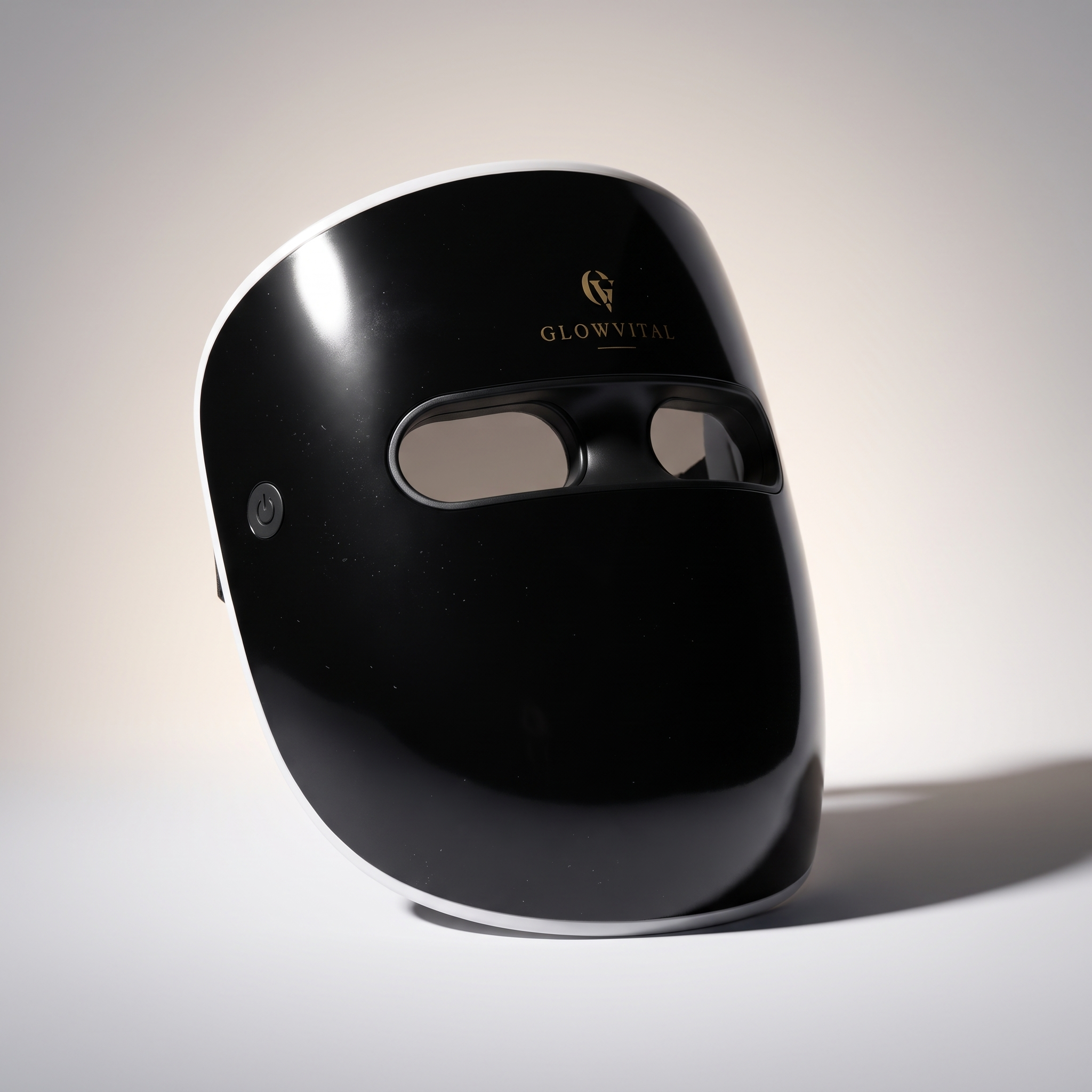
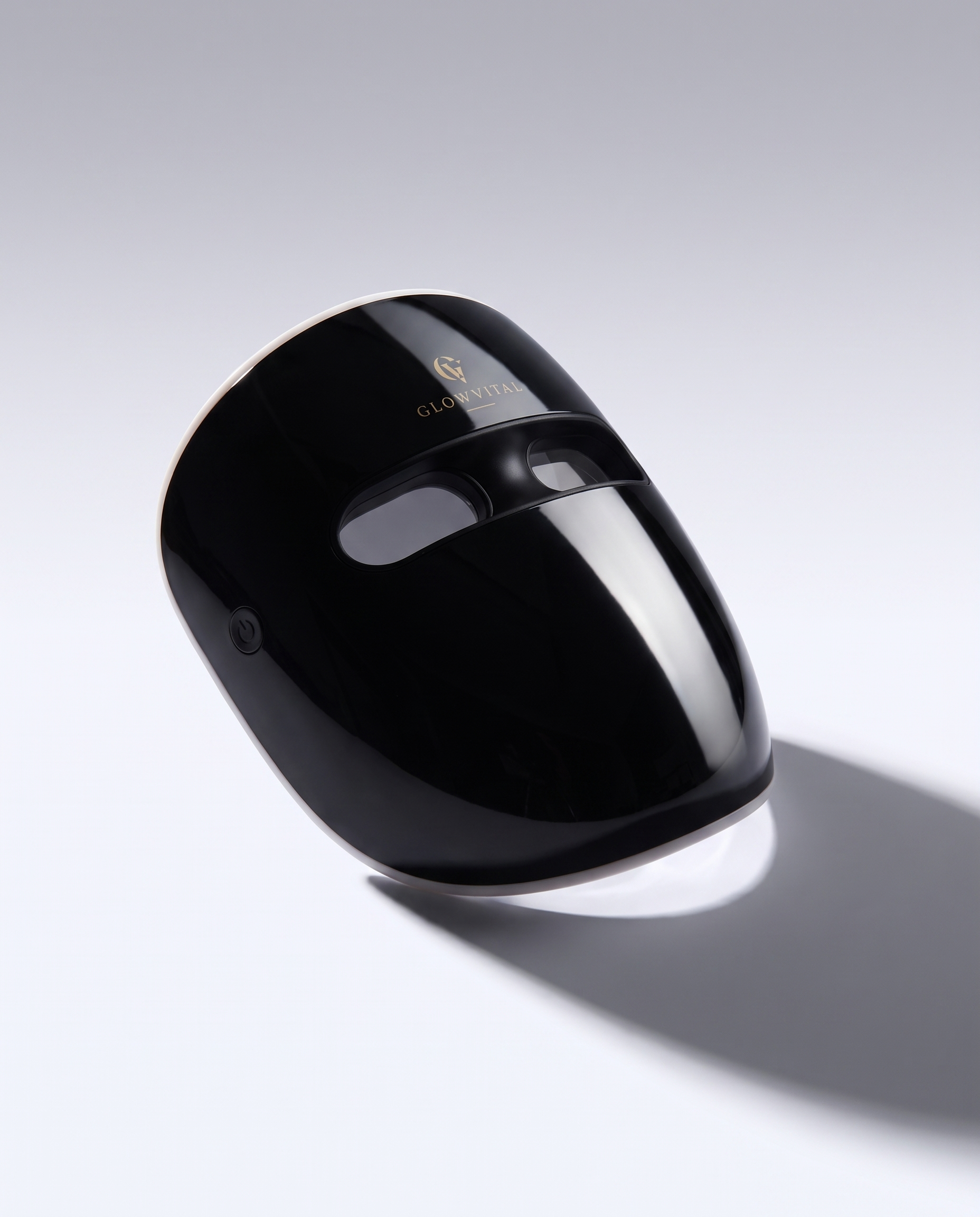
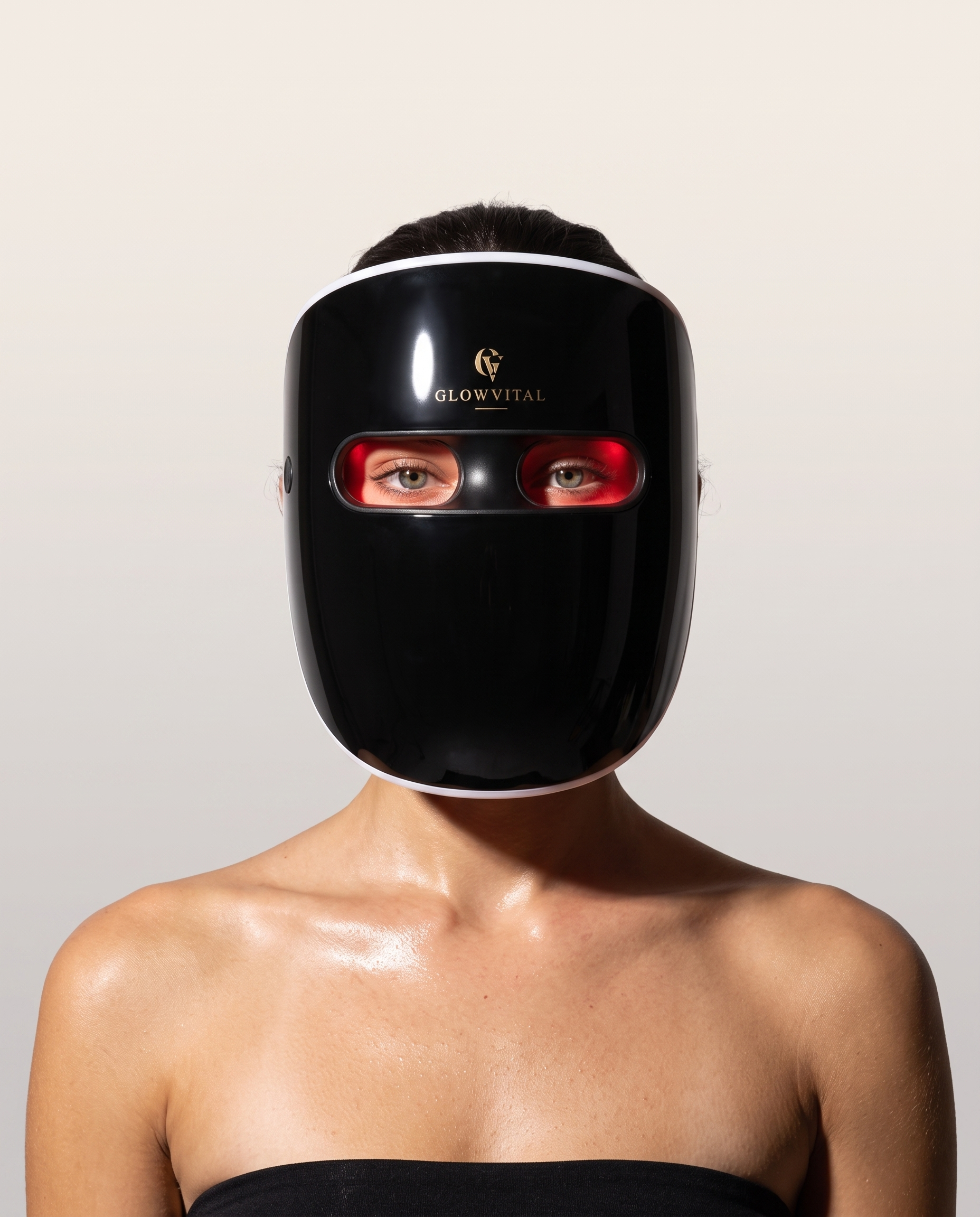
Look for designed in eye openings rather than an afterthought. Whatever the device, eyes stay closed for the whole session.
The honest position: the light in a face mask is bright, and bright light directly in front of closed eyelids is uncomfortable for some people. In a device built to standard, that discomfort is the issue rather than damage. But the sensible precautions are not optional, and they are simple.
- Keep your eyes closed for the whole session. Every reputable mask instructs this. It is not a legal formality, it is the actual advice.
- Choose a mask with proper eye openings or shielding. A design that leaves the eye area unconsidered is a design that has not thought about you.
- Do not stare into the LEDs. Obvious for a panel, and worth stating because people do it while setting a device up.
- If brightness is genuinely unpleasant through closed lids, stop. That is information, not weakness. Some people are more light sensitive than others.
- If you have an eye condition, ask your optometrist or GP. Retinal conditions in particular warrant a conversation before you start.
Blue light attracts the most nervousness here, largely because of unrelated headlines about screens. The blue wavelengths used in skin devices sit around 465 to 475nm and are used in short, controlled sessions rather than for hours a day. Closed eyes remain the right precaution.
Side effects, and how common they are
Uncommon, and mild where they occur.
| What some people notice | Typically | What to do |
|---|---|---|
| Mild redness or warmth after a session | Settles within an hour | Nothing. Reduce frequency if it persists. |
| Slight eye strain or a mild headache | Usually brightness related | Check your eyes are fully closed. Shorten the session. |
| Dryness or tightness | Occasional, early on | Moisturise after sessions, not before. |
| Skin feeling sensitised | More likely alongside strong actives | Space the two apart, build frequency slowly. |
Persistent irritation is not something to work through. Stop, give it a week, and speak to a pharmacist or GP if it does not settle.
Who should speak to a doctor first
There is a difference between a device being broadly safe and it being right for every individual. Ask your GP, dermatologist or midwife before starting if any of the following apply.
- You are pregnant or breastfeeding. Research on LED light therapy in pregnancy is limited. Limited evidence means caution, not reassurance, and any brand confidently telling you it is fine is going beyond what is known.
- You take photosensitising medication. Some antibiotics, retinoids, diuretics and antidepressants increase light sensitivity. Your pharmacist can check a specific medication quickly.
- You have a diagnosed skin condition. A home cosmetic device is not a treatment for a diagnosed condition, and your clinician should be the one advising you.
- You have a history of light triggered migraine or seizures. Bright light sources warrant a conversation.
- You have an eye condition, particularly a retinal one. Worth checking before rather than after.
- You have recently had a clinical skin procedure. Follow your practitioner's aftercare instructions first.
None of these is necessarily a no. They are all reasons to ask someone who knows your history rather than a website that does not.
Using a mask alongside retinol and acids
Light therapy and active skincare coexist perfectly well, provided you do not stack them in the same ten minutes.
Run the session on clean, dry, bare skin, then apply actives afterwards. There are two reasons, and only one of them is about safety. The practical reason is that products on the surface scatter and absorb light before it reaches the skin, so a session over serum is a wasted session. The safety reason is that skin already sensitised by strong actives has less margin, and adding a new variable on top of it makes any reaction harder to attribute.
If you are using retinoids or acids regularly, start light therapy at three sessions a week rather than five and build from there. If your retinoid is prescription, mention it to whoever prescribed it.
Skin tone and light therapy
Some light based treatments work by targeting pigment, which is why they carry different risk profiles across different skin tones and why they belong in clinical hands.
LED light therapy does not work that way. It is not pigment selective, and it is generally considered suitable across all skin tones. That is one of the genuine advantages of the technology, and it is rarely stated plainly.
How to tell a safe device from a cheap one
Most safety questions in this category are really device quality questions. A few things to check before buying anything.

A device that ships with printed instructions, a stated session length and published wavelengths is a device that expects to be asked questions.
- UKCA or CE marking. Non negotiable for anything electrical sold in the UK.
- A stated safety standard. Household electrical appliance standards such as EN 60335 and EMC compliance should be published, not implied.
- Published wavelengths. A brand that will not tell you the nanometres is a brand hoping you will not ask.
- Considered eye protection. Openings or shielding designed in, not left to chance.
- Real instructions. Session length, frequency and contraindications, written down.
- A return window that outlasts the trial. If a device needs ten weeks to show anything, a fourteen day return policy is not a guarantee, it is a formality.
Our UK buying guide applies these criteria across the main options.
Using yours safely
- Read the instructions that came with your specific device. They override anything on this page.
- Cleanse and dry your face. No serum, no SPF, no makeup.
- Close your eyes for the whole session.
- Keep to the stated session length. Longer does not help, for reasons covered in how often you should use an LED mask.
- Three to five sessions a week. Build up rather than starting at maximum.
- Moisturise afterwards.
- Stop if anything persists, and ask a professional.
This is general information, not medical advice. An LED face mask is a cosmetic device that supports the appearance of skin. It is not a treatment for any diagnosed condition. If you have a specific concern about your skin or your health, speak to your GP, pharmacist or dermatologist, who can advise on your individual circumstances.
Built to standard, and tested on your own face
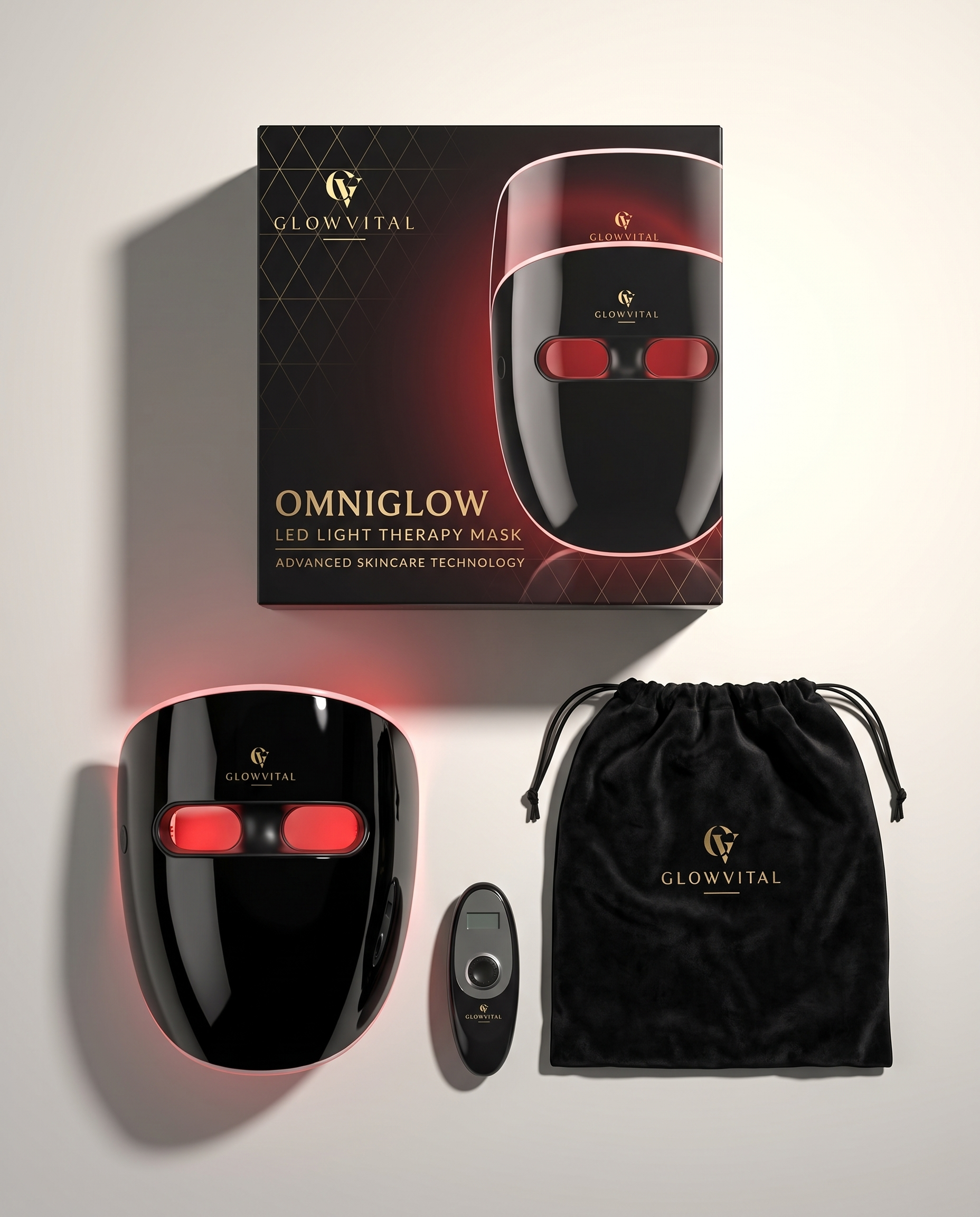
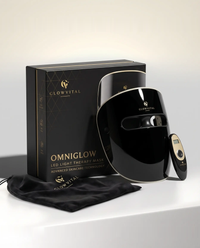
UKCA marked, EMC and EN 60335 compliant, with designed in eye openings and published wavelengths. Sixty days to decide, because ten weeks is how long it takes to know.
Shop OmniGlow · £199.992 Year Warranty · 60 day money back guarantee · Free UK delivery over £29.99
Frequently asked questions
Are LED face masks safe to use at home?
LED light therapy is non invasive and uses no UV light, and home devices sold in the UK must meet electrical and safety standards before they can be placed on the market. Used as instructed, a home LED mask is considered safe for most people. If you have a diagnosed skin condition, take photosensitising medication, or have a history of light triggered migraine or seizures, speak to your GP before starting.
Do LED face masks damage your eyes?
The light is bright, which is uncomfortable rather than damaging in a device built to standard. Keep your eyes closed during a session, which is what the instructions on every reputable mask tell you to do. Choose a device with proper eye openings or shielding, and do not stare directly into the LEDs of any panel. If you find the brightness unpleasant even with eyes closed, that is a reason to reconsider the device, not to push through it.
Can you use an LED face mask while pregnant?
There is limited research on LED light therapy during pregnancy, so the sensible position is caution rather than reassurance. Speak to your midwife or GP before using one. This is the honest answer, and any brand telling you confidently that it is fine is going beyond what the evidence supports.
Does LED light therapy cause any side effects?
Side effects are uncommon and mild where they occur. Some people notice temporary redness or slight warmth immediately after a session, which settles quickly. A mild headache or eye strain usually points to the brightness rather than the light itself, and closing your eyes properly resolves it. Stop using the device and seek advice if you get any persistent irritation.
Is LED light therapy the same as a sunbed?
No, and the difference matters. Sunbeds emit UV radiation, which is what causes skin damage and raises cancer risk. LED light therapy for skin uses visible and near infrared wavelengths with no UV at all. They are different technologies doing different things, and the comparison is one of the more persistent misunderstandings in this category.
Can you use an LED mask with retinol or acids?
You can use both in a routine, but not at the same moment. Run the session on bare, dry, clean skin and apply your actives afterwards. If your skin is already sensitised from strong actives, ease into light therapy at a lower frequency and build up. If you use prescription retinoids, check with whoever prescribed them.
Are LED masks safe for darker skin tones?
Yes. Unlike some light based treatments that target pigment and therefore carry risk across different skin tones, LED light therapy is not pigment selective and is generally considered suitable for all skin tones.