Cart
0
Written by the GlowVital team · Last reviewed 13 August 2026
The short answer
For most people, three to five sessions a week of around ten minutes each is the right frequency for a home LED face mask. Daily use is generally safe if your device allows it, but it is not meaningfully better, and it is harder to sustain. Consistency across ten to twelve weeks matters far more than intensity in any given week.
This is the question we are asked more than any other, usually about a week after someone unboxes their first mask. The honest answer is less exciting than people expect, and more important than the wavelength debate that gets all the attention.
 Three to five evenings a week, ten minutes at a time. Frequency you can sustain beats frequency that sounds impressive.
The short version, and why
Three to five sessions a week, ten minutes each. That is the band nearly every home LED device lands on, and it is not arbitrary.
Light therapy is cumulative. A single session does very little on its own. What produces visible change is repeated, regular exposure over a period of months, in the same way that no single walk changes your fitness but a habit of walking does. Three sessions a week is enough to accumulate. Five is comfortably more. Below about three, the gaps start to outweigh the exposure.
The upper bound is not a safety cliff, it is a point of diminishing returns. Which brings us to the question everybody actually wants answered.
Why daily is not better
There is a reasonable instinct that if ten minutes three times a week helps, then ten minutes every day must help more, and twenty minutes every day more still. That instinct is wrong, and it is worth understanding why.
Cells respond to light within a range. Below the range, not much happens. Within it, you get the response. Beyond it, you do not get more response, you just get more time spent sitting in a mask. The relationship is not linear, so doubling the dose does not double anything.
So daily use is fine if your device permits it and you enjoy the ritual. It simply is not the lever people think it is. The lever is how many weeks in a row you keep going, and that is where daily plans quietly fail. A five day a week schedule that you sustain for three months beats a daily schedule that collapses on day eleven, and the daily schedule collapses more often precisely because it is more demanding.
The mistake we see most. Someone commits to daily sessions, manages nine days, misses two, feels they have broken the streak, and stops entirely at week three. Nothing had gone wrong. They were roughly a month away from the point where most people start noticing something.
How long each session should be
Around ten minutes, and you should follow whatever the instructions for your specific device say rather than a number from the internet.

Ten minutes is the session. Longer does not push the response further, it just keeps you sitting in a mask.
Ten minutes is short enough to fit into an evening without negotiation, and long enough to deliver the exposure. It is also, not coincidentally, about the length of time most people will tolerate sitting still with something on their face. Devices designed around forty minute sessions get used twice.
| Sustainable | Not sustainable | |
|---|---|---|
| Frequency | 3 to 5 times a week | Every day without fail |
| Session | 10 minutes | 30 minutes plus |
| Horizon | Judge at 10 to 12 weeks | Judge at 2 weeks |
| Setup | Wireless, move around | Tethered to a socket |
Morning or night?
For your skin, it genuinely does not matter. For your chances of keeping it up, it matters a great deal.
Evening wins for most people, for practical reasons rather than biological ones. You are already cleansing, so the bare dry skin the light needs is a step you were taking anyway. There is no makeup to remove first and none to reapply afterwards. And the ten minutes tends to be genuinely available in a way that a weekday morning is not.
Morning works well if your evenings are unpredictable, and it has one small advantage: skin looks brighter immediately after a session, which is useful before you go anywhere. The correct answer is whichever slot you will still be using in November.
Where it sits in your routine
- Cleanse. Remove makeup, SPF and the day.
- Dry the skin properly. Not damp.
- Session, on bare skin. No serum, no moisturiser, no SPF. Anything on the surface scatters light before it reaches you, and mineral SPF is engineered to do exactly that.
- Then your routine. Serum, eye care, moisturiser. Skin is clean and warm, which is a sensible moment for it.
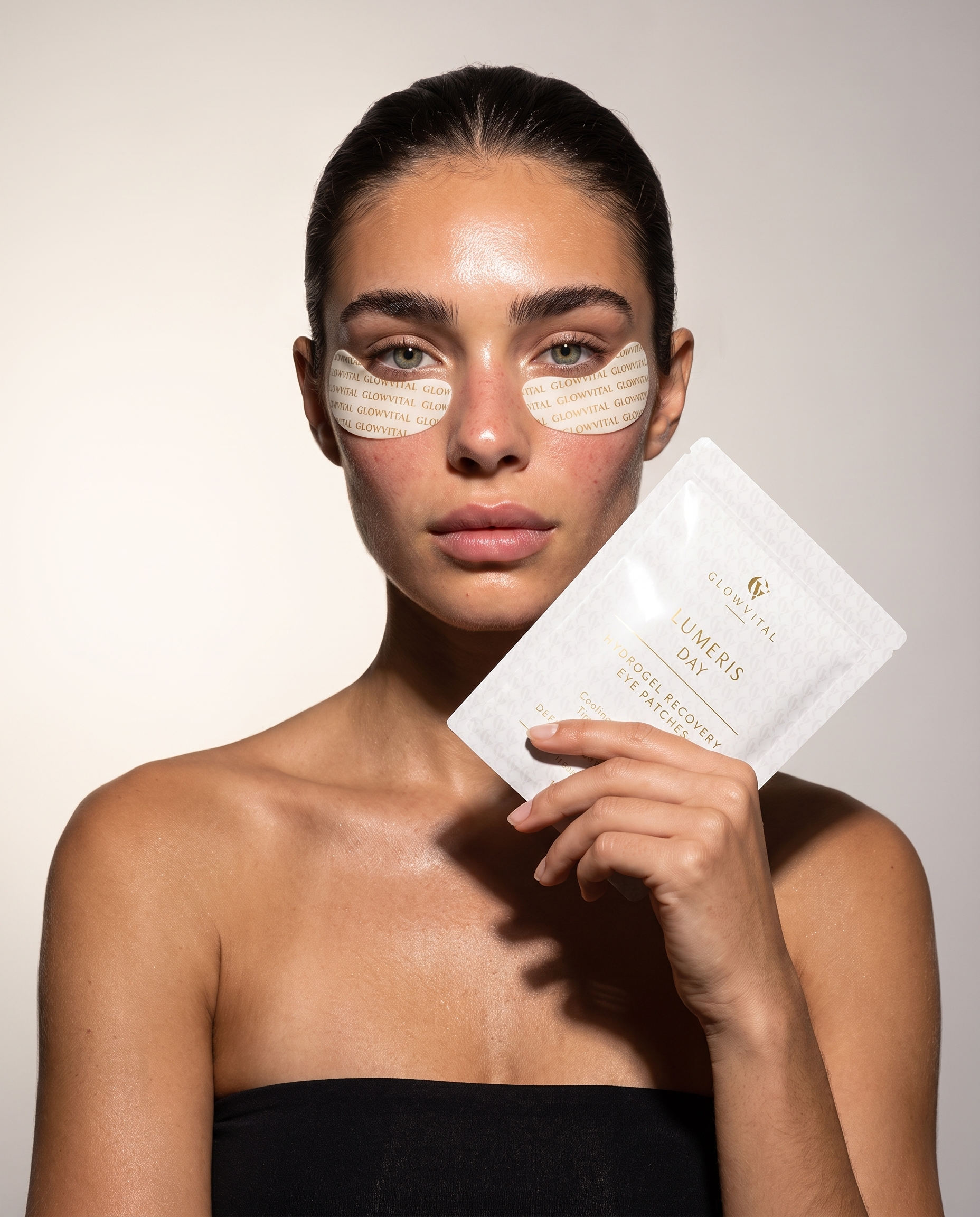
If you use under eye patches, after the session is the natural slot. They want clean skin too, and the ten minutes you have just spent sitting still is the ten minutes they need. Our guide to what under eye patches actually do covers how to get the most from them.
What happens when you miss sessions
Nothing dramatic, which is the reassuring part. Light therapy is cumulative rather than fragile. A missed week does not undo the previous six, and there is no reset to be afraid of. You do not need to make up for lost sessions with a longer one, either, for the reasons in the section above.
Holidays, illness, busy fortnights at work: all fine. Pick it back up at your usual frequency and carry on. The only pattern that genuinely costs you is abandoning it before the timeline has had a chance to play out.
Building a habit that survives week three
Week three is where most home devices are lost. The novelty has gone, the dramatic change has not arrived, and the mask starts competing with going to bed ten minutes earlier. A few things reliably help.
- Attach it to something you already do. Not a new slot in your evening, an existing one. After brushing your teeth. During the last episode. While a podcast finishes.
- Keep it visible. A mask in a cupboard is a mask you have stopped owning. On the shelf, plugged in and charged, is half the battle.
- Use a wireless device if you can. This sounds like a specification detail and is actually a behaviour one. Being able to fold laundry or answer messages during a session removes the feeling that you are doing nothing for ten minutes.
- Take one photograph at the start. Same spot, same light, no makeup. You will not trust your memory at week ten, and the photograph is the only thing that settles it.
- Diarise week ten, not week two. Decide in advance when you will judge it, and hold yourself to that date.
That last point is the one worth writing down. Almost everyone who abandons an LED mask does so before the point at which they would have been able to evaluate it fairly.
Built for a habit, not a treatment
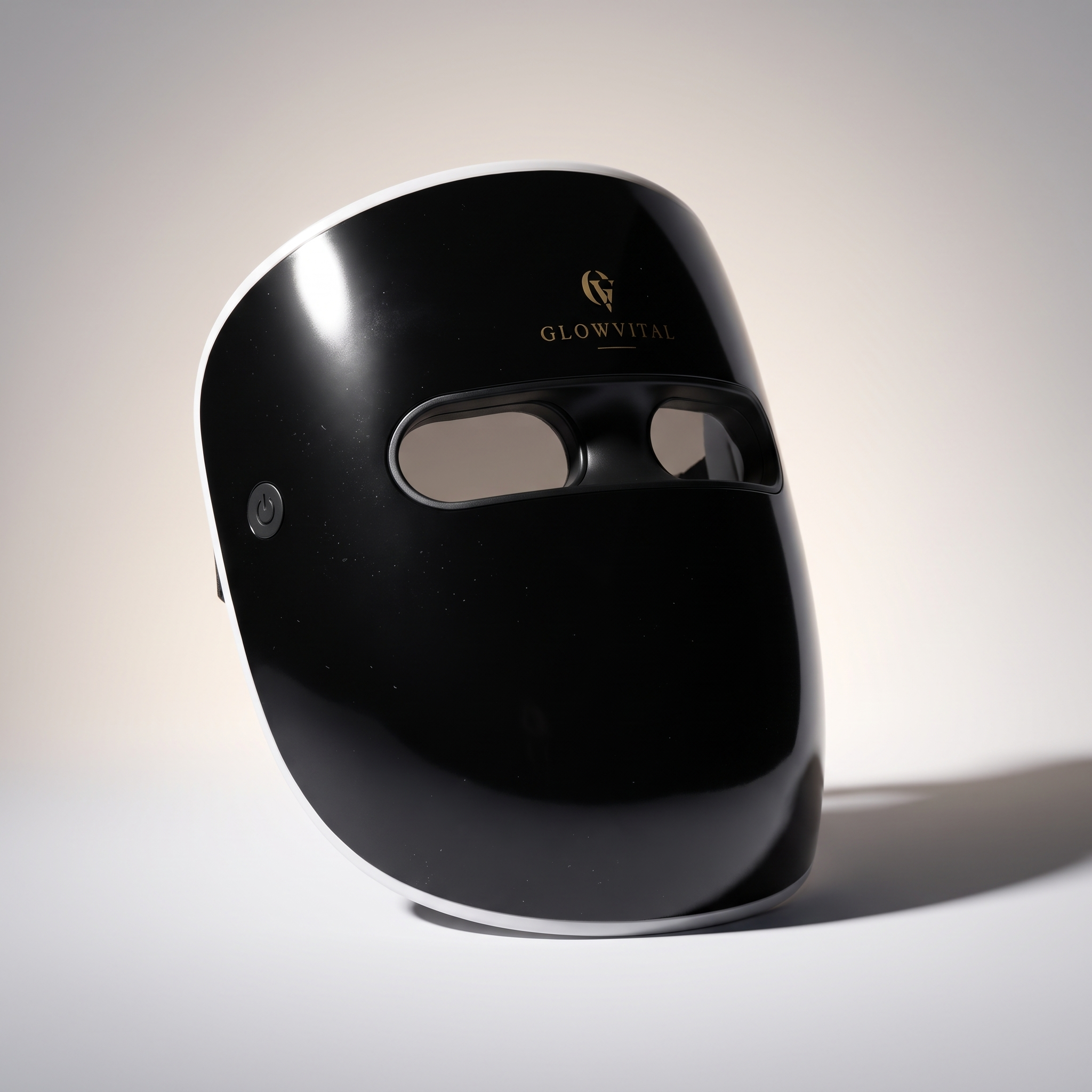
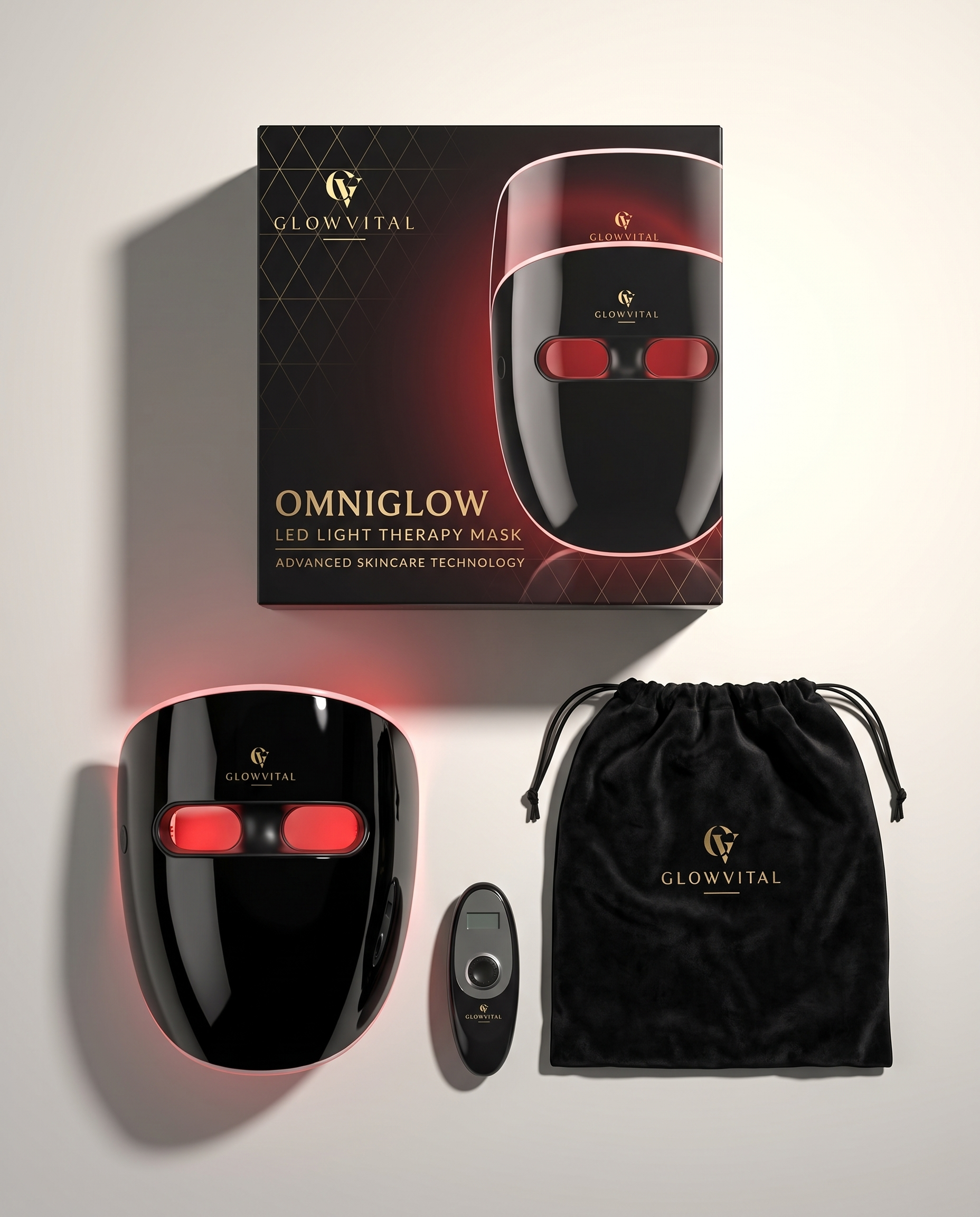
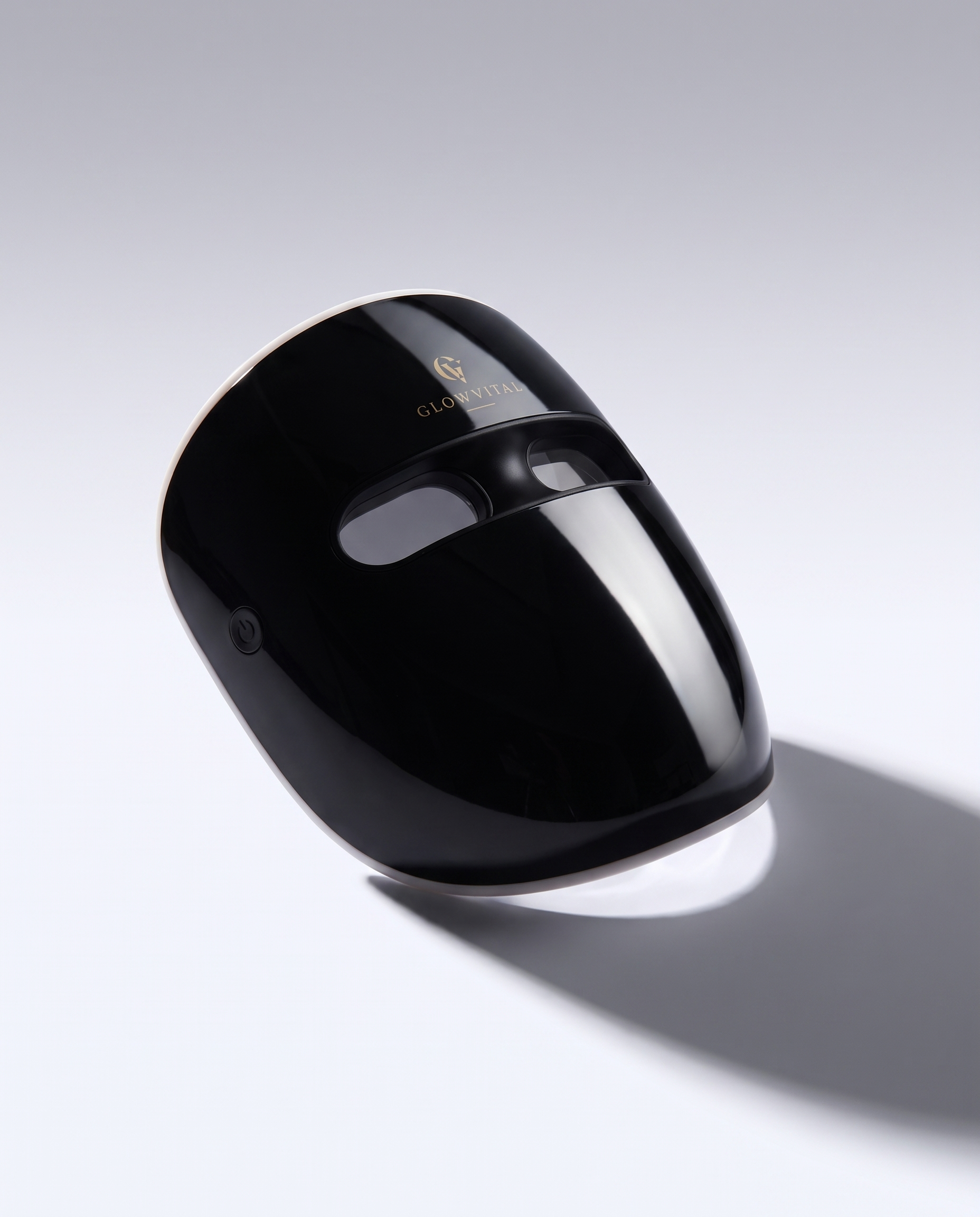
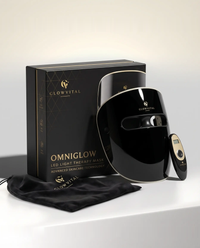
Fully wireless, so a session is ten minutes you can spend anywhere in the house. Red, blue and near infrared. Sixty days to decide whether it has earned its place.
Shop OmniGlow · £199.992 Year Warranty · 60 day money back guarantee · Free UK delivery over £29.99
Frequently asked questions
Can you use an LED face mask every day?
Yes, daily use is generally considered safe for a home cosmetic LED device used as instructed. Whether it is necessary is a different question. Three to five sessions a week captures most of the benefit and is far easier to sustain over the months that actually matter. Daily is fine if you will genuinely do it, but it is not the difference between working and not working.
How long should each LED mask session be?
Around ten minutes for most home masks. Follow the instructions for your specific device. Longer sessions do not accelerate anything, because cells respond to light within a range rather than in proportion to how long you sit there.
Is it better to use an LED mask in the morning or at night?
Neither is better for your skin. Pick whichever you will actually keep doing. Evening suits most people because the face is already being cleansed and there is no makeup to remove first, and skin is bare and dry which is what the light needs.
What happens if I miss a few days?
Nothing is lost. Light therapy is cumulative rather than fragile, so a missed week does not reset your progress. Pick it back up at your usual frequency. The pattern that fails is not the occasional gap, it is stopping altogether around week three because nothing dramatic has happened yet.
Should I use it before or after skincare?
Before. Cleanse, dry the skin, run the session on bare skin, then apply serums and moisturiser afterwards. Products sitting on the surface scatter light before it reaches you, and mineral SPF is specifically designed to do that.
How long before I should judge whether it is working?
Give it ten to twelve weeks at a consistent frequency before deciding. Brightness often shows up in the first two or three weeks, but the look of firmness and fine lines builds slowly. Judging a light therapy device at week two is like judging a gym membership at day three.