Cart
0
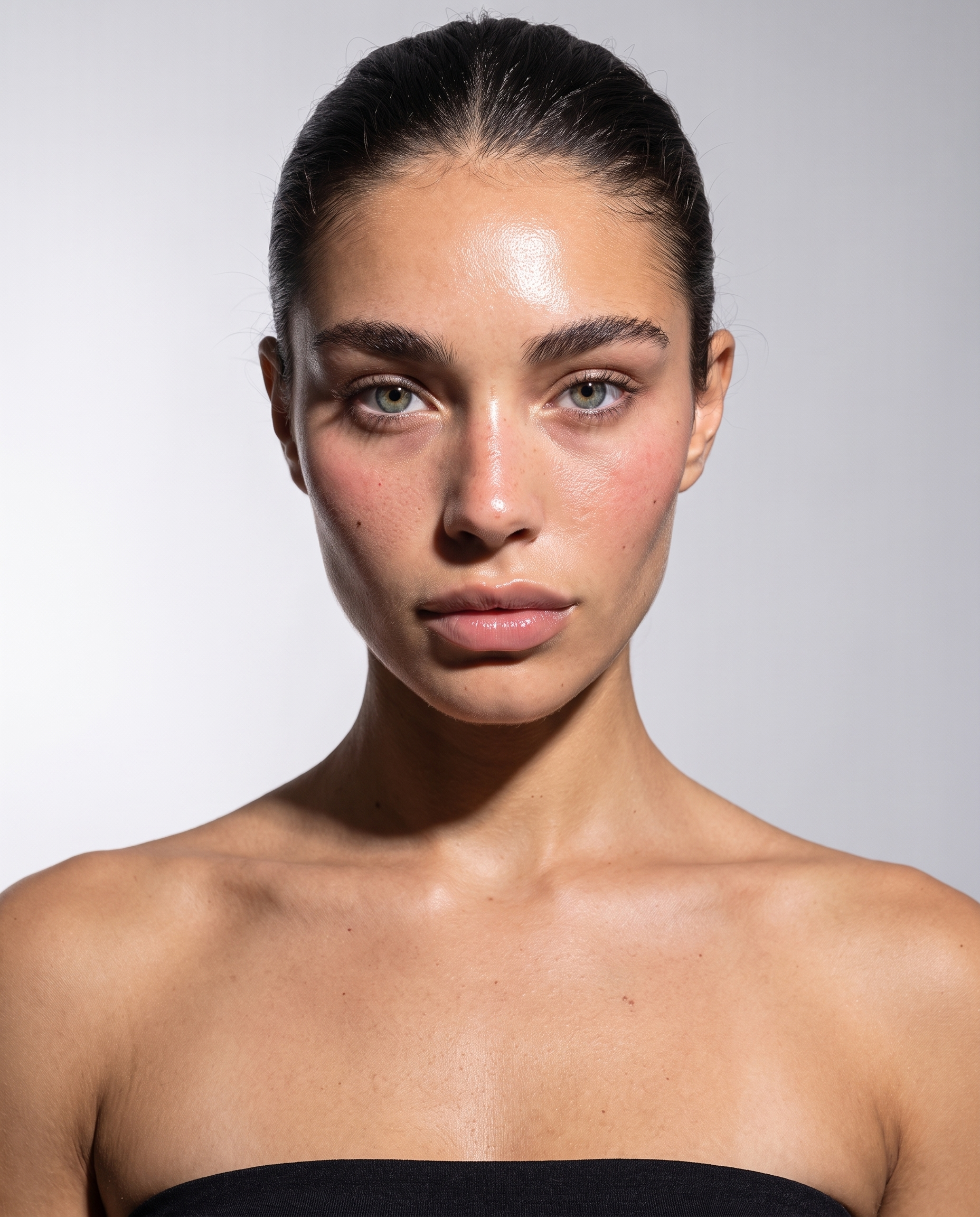
Written by the GlowVital team · Last reviewed 13 August 2026
The short answer
Expect a brighter, less tired look in weeks two to three, more even looking tone by weeks four to six, and softening in the look of fine lines and firmness across weeks eight to twelve. Nothing meaningful happens in the first week. If a before and after shows a dramatic change in a fortnight, something other than the light is doing the work, and it is usually the lighting.
Search for LED face mask before and after and you will find two kinds of image. The first shows a modest, believable change over a couple of months. The second shows a different person. This guide is about the first kind, what to expect, when to expect it, and how to tell the difference.
Why most before and afters are not worth much
A face changes more between morning and evening than an LED mask changes it in a month. That single fact undermines most of the comparison images in this category.
Consider what moves between two photographs taken a fortnight apart. Lighting direction, which alone can add or erase the appearance of every line on a face. Time of day, since under eyes look different at 7am and 7pm. Hydration. Sleep. Whether the room was warm. Camera angle, because a lens held slightly higher tightens a jawline for free. Expression, which people unconsciously soften in an after shot. Makeup, even the trace of it. And the camera itself, since front and rear lenses on the same phone render skin differently.
None of that is necessarily deliberate deception. It is simply that a fair comparison is harder to produce than it looks, and an unfair one is more flattering. The result is that the images setting everyone's expectations are the least representative ones.

What a fair pair looks like: same framing, same light, no makeup in either frame, and a change you have to look for. From a seven week study of near infrared mode at five sessions a week. Individual results vary.
Our position on this. We would rather set an expectation you will actually meet than sell you one you will not. The timeline below is deliberately conservative. If your experience runs ahead of it, good. If we had written it the other way round, you would be disappointed at week six and we would have deserved it.
The 12 week timeline, week by week
Based on three to five sessions a week of around ten minutes, on bare dry skin.
| Period | What typically happens | Visible in a photo? |
|---|---|---|
| Week 1 | Skin often feels calmer immediately after a session. Nothing structural. | No |
| Weeks 2 to 3 | A brighter, less tired look. Usually the first thing noticed, often by someone else first. | Sometimes |
| Weeks 4 to 6 | Tone looks more even. Makeup tends to sit better. Skin looks less dull under indoor light. | Yes, in good conditions |
| Weeks 8 to 10 | The look of firmness begins to shift. Fine lines appear softer rather than absent. | Yes |
| Weeks 10 to 12 | Cumulative effect of everything above. This is the fair point to judge. | Yes |

What people reported after seven weeks of consistent use, from a 42 subject consumer perception study. Perception studies record how people felt about their skin, which is worth knowing and is not the same as a clinical measurement.
The shape of that table is the important part. The early weeks deliver the encouragement, the later weeks deliver the change, and the gap between them is where most people give up.
What genuinely changes, and what does not
What people consistently report.
- A brighter, less tired look, earliest and most reliably.
- More even looking tone.
- The appearance of fine lines softening, gradually.
- The look of firmness, slowest of all.
- Clearer looking skin where blue light is part of the routine. More on that in our blue light guide.
What it does not do.
- Remove wrinkles. It supports how they look. Those are different claims and only one of them is honest.
- Change bone structure, or lift in the way a clinical procedure does.
- Replace SPF, which remains the highest impact thing available to you.
- Fix pigmentation caused by sun exposure, or under eye darkness that is structural rather than surface level. Our guide to what actually causes dark circles explains why the cause determines what helps.
How to photograph your own progress
Your memory is not a reliable instrument here. It flatters in both directions, depending on your mood and whether you have just spent two hundred pounds. A photograph settles it, provided you take it properly.
- Take the first one before your first session. The most common regret is starting a fortnight in.
- Same place, same light. Near a window on an overcast day is ideal, because it is soft, even and roughly repeatable. Avoid overhead bathroom spotlights, which carve shadows under the eyes and exaggerate everything.
- Same time of day. Faces are puffier in the morning. Compare like with like.
- No makeup in either frame. Obvious, and routinely ignored.
- Neutral expression, camera at eye height. Not slightly above, which is flattering, and not below, which is not.
- Same camera. Rear lens both times if you can manage it.
- Every fortnight, not every day. Daily photographs show you noise. Fortnightly ones show you signal.
Three angles is better than one: straight on, and a three quarter turn each way. Change tends to show at the sides of the face before it shows head on.
How to read someone else's photos
Four questions will tell you almost everything.
- Is the light identical? Look at the direction of the shadow under the nose. If it has moved, the comparison is worthless.
- Is the angle identical? Check the ears and the hairline. A small tilt does a lot of free work.
- Is there makeup in the after? Look at the lashes and the lips.
- How long between them? A dramatic change over two weeks is not an LED result, whatever the caption says.
Apply those four to any device, ours included. A brand confident in its product will not mind you checking.
What makes the timeline faster or slower
The single biggest variable is consistency, and it is not close. Everything below matters less than whether you actually did three to five sessions a week.
- Bare, dry skin. Running sessions over serum or SPF wastes them. Covered in how often to use an LED mask.
- Full face coverage. A device that covers part of the face produces uneven exposure, and the edges are usually the areas people care about.
- Which wavelengths you have. Red supports the look of firmness and tone. Near infrared travels deeper. Blue is the one linked to clearer looking skin. See our red light guide.
- Sleep, sun and water. Unglamorous, and they move the needle more than most people want to hear. No device compensates for four hours a night.
- Your starting point. The more visible dullness or tiredness you begin with, the more obvious the early change tends to look.
 The variable that beats every other one: actually doing the sessions, most weeks, for three months.
What happens after week 12
Most people reduce rather than stop. Two or three sessions a week is a common maintenance rhythm once the initial twelve weeks are behind you, and it is a great deal easier to sustain indefinitely than five.
If you stop altogether, skin drifts back towards its own baseline over the following months. That is not a trick of the product, it is what supporting an appearance means. The same is true of most things that work gradually.
Twelve weeks, with sixty days to change your mind
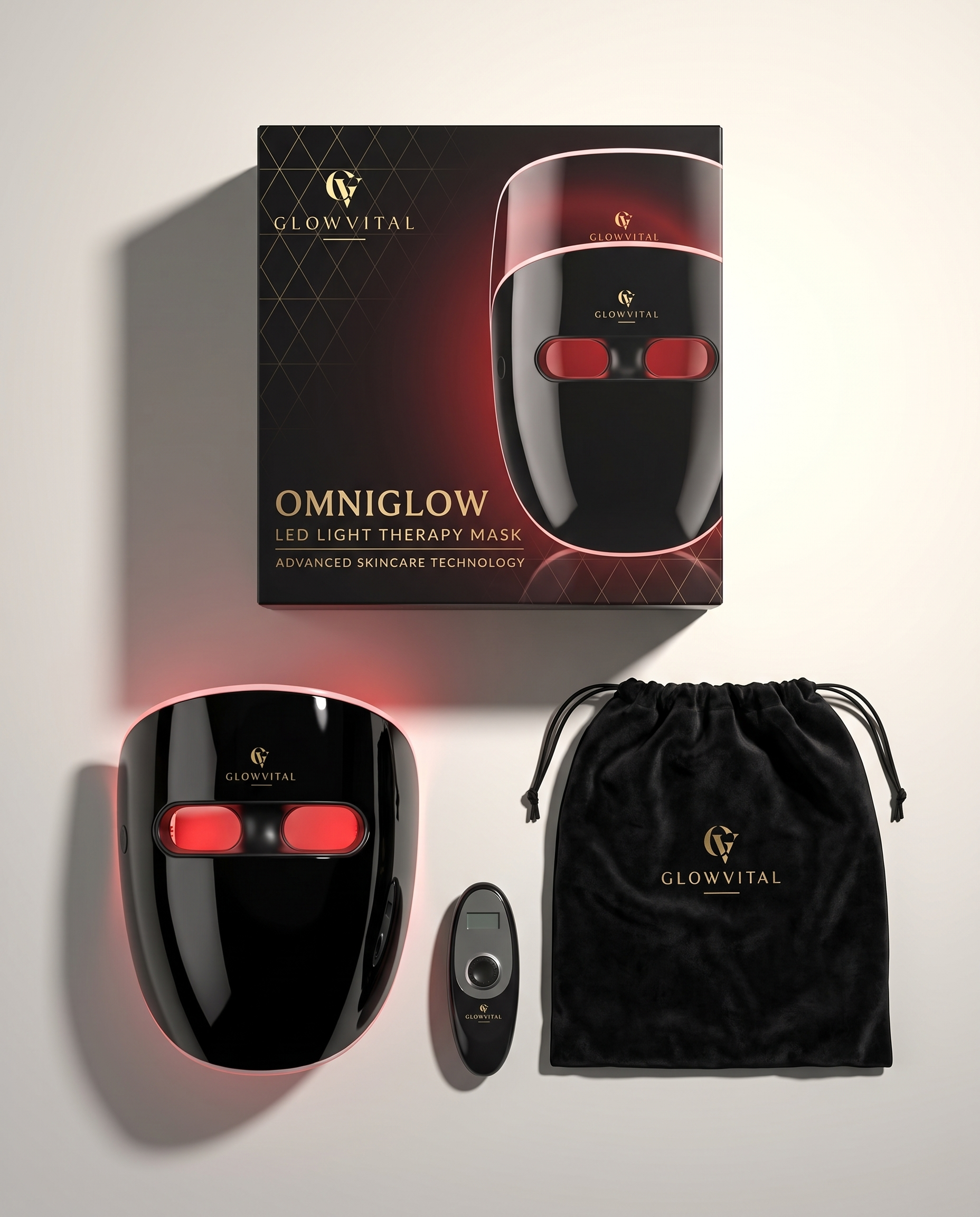
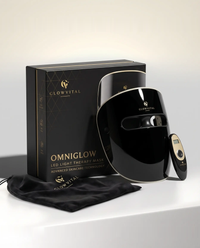
The OmniGlow carries red, blue and near infrared, covers the whole face, and is fully wireless so the sessions actually happen. Rated 4.6 from 751 reviews.
Shop OmniGlow · £199.992 Year Warranty · 60 day money back guarantee · Free UK delivery over £29.99
Frequently asked questions
How long does an LED face mask take to show results?
Most people report a brighter, less tired look within two to three weeks. Changes in the look of firmness and the appearance of fine lines build across roughly eight to twelve weeks of consistent use. Ten to twelve weeks is the fair point at which to judge whether a mask has earned its place.
Why do some before and after photos look so dramatic?
Usually because something other than the light changed between the two images. Lighting direction, camera angle, expression, hydration, makeup and time of day all move a face more in one afternoon than LED does in a month. A trustworthy pair is shot in the same spot, at the same time of day, with the same light and no makeup in either frame.
How should I photograph my own progress?
Same place, same time of day, same light source, no makeup, neutral expression, camera at the same height. Take the first one before your first session, then every fortnight. Do not use the front camera in one and the rear in the other, and do not rely on memory, which is unreliable in both directions.
Will an LED mask remove wrinkles?
No. Red light is associated with supporting the look of firmness and softening the appearance of fine lines over time. That is a change in appearance, and it is gradual and subtle. Any device or brand promising removal is describing something a home cosmetic device does not do.
Is 12 weeks really necessary before judging it?
For the slower changes, yes. Brightness and a less tired look often show up early enough to be encouraging, but the appearance of firmness accumulates over months. Judging at week two tells you almost nothing, which is why a genuine money back window that runs longer than the timeline matters.
Do results fade if I stop using it?
The look supported by consistent use is maintained by consistent use. If you stop entirely, skin gradually returns to its own baseline over time. Most people settle into a reduced maintenance frequency rather than stopping outright.